Quick Answer
Senior cats do not all need a lower-calorie or specially labeled diet. As cats age, nutritional needs can change, and some older cats may have difficulty maintaining body weight or lean muscle. A suitable senior cat food should provide complete and balanced daily nutrition, appropriate protein and energy density, and a feeding format the cat will readily eat. Wet food can also contribute moisture to the daily diet. For an older cat experiencing unexplained or ongoing weight loss, a veterinarian should help determine the underlying reason before changing the diet.
When an Older Cat Starts Getting Thinner, Look Beyond the Food Bowl
Aging changes the way cats eat, move, and maintain their body condition. Some senior cats become less active and need fewer calories, while others��particularly at more advanced ages��can have greater difficulty digesting nutrients and maintaining weight. That is why choosing senior cat food is less about finding a formula with a certain age printed on the package and more about matching the food, portion, and feeding routine to the individual cat.
For a cat that is gradually becoming lighter, the first useful questions are practical ones: Is the cat actually eating enough? Is the food sufficiently energy-dense? Does the cat prefer wet or dry textures? Has the feeding routine changed? And is the change in body weight expected or unexplained?
Senior-cat nutrition is therefore most usefully understood as a combination of food quality, calorie intake, hydration, appetite, and regular observation rather than a single ��senior�� ingredient.
What Changes in a Cat's Nutritional Needs With Age?
There is no single nutritional pattern that applies to every older cat. Mature and senior cats can experience changes in energy requirements, digestion, body composition, and appetite. Veterinary nutrition guidance also notes that some senior cats may require increased calorie intake as they age, particularly when maintaining body condition becomes more difficult.
This is one reason the phrase cat food for senior cats can be misleading if it is treated as one fixed category. A healthy older cat maintaining an ideal body condition has different practical needs from a senior cat that is steadily losing weight.
For everyday feeding, several factors deserve attention:
- Protein: adequate dietary protein is important for maintaining lean body mass.
- Energy density: a food with appropriate calories can make it easier to meet daily energy needs without requiring a large volume of food.
- Moisture: wet food contributes water as part of the meal.
- Palatability: food only provides nutrition when the cat actually wants to eat it.
- Portion control: measured meals make it easier to notice changes in daily intake.
The goal is not simply to increase calories. It is to provide appropriate daily nutrition while keeping an eye on body condition and eating habits.
Does Senior Cat Food Need to Be Higher in Calories?
Not necessarily. This is one of the most important distinctions when choosing food for an older cat.
Some mature cats become less active and may need fewer calories. In contrast, some cats at more advanced ages may have increasing difficulty digesting and utilizing nutrients and may gradually lose body weight. Veterinary guidance therefore recommends evaluating senior cats individually rather than assuming that every older cat needs the same calorie level.
If weight maintenance is the goal, calorie density becomes particularly useful. A cat that is eating only small portions may struggle to obtain enough energy from a food that is relatively low in calories per serving.
At the same time, simply adding more food is not always the right answer. If weight is changing unexpectedly, the cause should be investigated rather than assuming that the cat merely needs a richer diet.
Protein Matters When Maintaining Lean Body Mass
One reason nutrition becomes increasingly important with age is the gradual change in body composition. Older cats can lose lean body mass, and maintaining adequate protein intake is an important part of a balanced feeding routine.
For healthy senior cats, veterinary nutrition resources do not recommend automatically restricting protein simply because a cat is older. Instead, the quality and digestibility of the overall diet, along with the cat's individual nutritional requirements, should be considered.
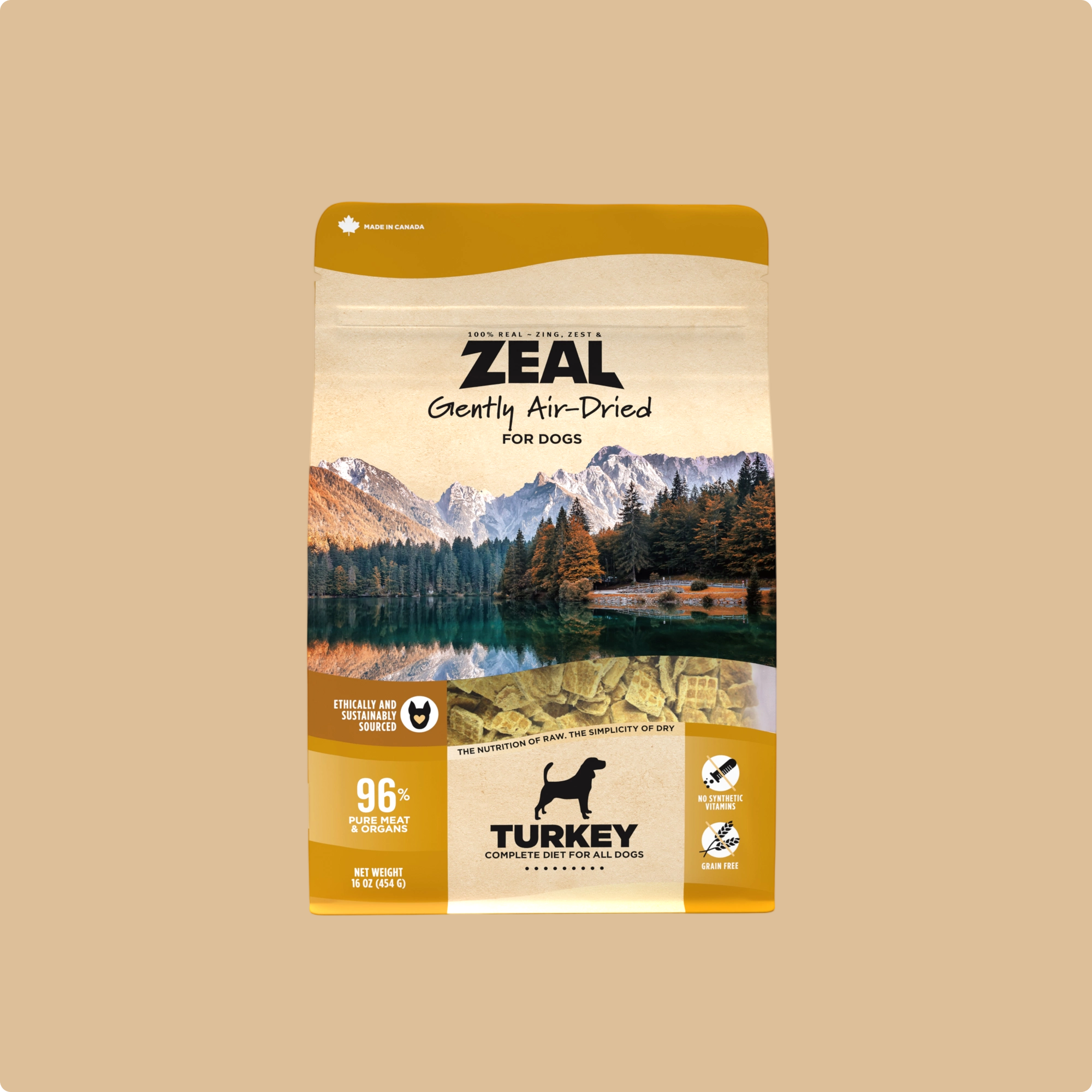
This makes a meat-forward food an interesting option for owners looking at ingredient composition. ZEAL's cat air-dried recipes contain 96% real meat & organs and are gently air-dried in Canada. The Chicken Recipe uses chicken, chicken liver, chicken gizzard, and chicken heart, while the Salmon & Turkey Recipe uses turkey, turkey liver, salmon, and turkey heart.
These recipes also contain pumpkin, bamboo fiber, green-lipped mussel, turmeric, ginger, and organic fruits and vegetables. Cat air-dried recipes additionally contain taurine and krill meal.
The important point is that these are everyday nutrition characteristics of the recipes��not claims that the food is designed specifically for senior cats.
Why Moisture Can Be Part of the Conversation
Wet food has a different role from air-dried food because it naturally contains substantially more moisture. For some older cats, incorporating wet food into the daily feeding routine can be a practical way to provide food and water together.
ZEAL cat wet food is made in New Zealand and uses the standardized formulation description of 94% real meat and organs, green-lipped mussels, egg yolk and salmon oil. The recipes are grain-free, contain no added sugars, and are formulated as AAFCO Complete & Balanced according to the applicable product facts.
ZEAL cat wet food is available in Beef, Chicken, Lamb, Venison, and Chicken & Salmon recipes, with 90g �� 24 and 170g �� 12 formats depending on the recipe.
For an older cat, wet food can be especially useful when the cat naturally prefers a moist texture or when the owner wants to include more moisture as part of the feeding routine. It does not mean that every senior cat needs wet food exclusively.
Choosing Between Wet Food and Air-Dried Food
There is no need to treat wet food and air-dried food as competing categories. They offer different feeding characteristics, and the practical choice depends on what works for the individual cat and household.
| Feeding consideration | ZEAL Wet Food | ZEAL Air-Dried Food |
|---|---|---|
| Production | Made in New Zealand | Gently air-dried in Canada |
| Primary composition | 94% real meat and organs, green-lipped mussels, egg yolk and salmon oil | 96% real meat & organs |
| Moisture format | Moist food | Air-dried food |
| Cat recipes | Beef, Chicken, Lamb, Venison, Chicken & Salmon | Chicken; Salmon & Turkey |
| Feeding role | Daily bowl meal | Daily feeding or other serving occasions according to the product directions |
For an older cat whose main challenge is maintaining adequate food intake, palatability and portion size may be more important than whether the label simply says ��senior.��
What About an 8-Month-Old Cat?
An 8-month-old cat is not a senior cat. This distinction matters when search results combine phrases such as ��cat food for 8 month old�� with searches for senior cat food.
At 8 months, a cat is still young and has different nutritional considerations from an older cat. The appropriate life-stage context should therefore be considered separately rather than using senior-cat nutrition principles for a growing kitten.
ZEAL's brand information states that its applicable foods meet the AAFCO All Life Stages standard. That means life-stage content can be discussed, but ZEAL recipes are built around complete nutrition rather than age-specific claims, so they can be considered within a broader daily feeding routine.
In practical terms, an owner searching for food for an 8-month-old cat should evaluate the product according to the food's complete and balanced life-stage statement and feeding directions rather than choosing it because it is marketed as senior food.
A Practical Feeding Routine for an Older Cat
Food selection is only one part of maintaining body condition. Feeding habits can make a noticeable difference in how easy it is to monitor an older cat's intake.
Measure the daily portion
Portion feeding gives owners a clearer picture of how much food is actually consumed. This is particularly useful when monitoring an older cat whose appetite or body weight is changing.
Consider smaller meals
Some senior cats are more comfortable eating smaller meals throughout the day. Dividing the daily amount into several meals can also make changes in appetite easier to notice.
Track body condition, not just the scale
A number on the scale does not tell the entire story. Changes in body condition and lean muscle are also useful observations. If an older cat is becoming noticeably thinner despite eating normally, or food intake has declined, the situation deserves closer attention.
Make food changes gradually
Sudden changes can make food acceptance more difficult. When introducing a new food, a gradual transition can help the cat become familiar with the new texture, aroma, and flavor.
When Weight Gain Should Not Be Treated as a Feeding Problem Alone
Weight loss in an older cat should not automatically be attributed to aging or picky eating. Senior cats can experience health changes that affect appetite, digestion, nutrient utilization, and body condition.
If weight loss is persistent, rapid, unexplained, or accompanied by a noticeable change in appetite or behavior, a veterinarian can help determine what is happening before a major dietary change is made.
This is especially important because a food change may address calorie intake without addressing the reason the cat is losing weight in the first place.
What Makes ZEAL Relevant to a Senior Cat's Daily Feeding Routine?
ZEAL does not make a separate ��senior-only�� promise. Instead, the brand's cat foods provide specific nutritional and ingredient characteristics that can be considered when building a daily feeding routine for an older cat.
ZEAL cat wet food is made in New Zealand and includes real meat and organs alongside green-lipped mussels, egg yolk, and salmon oil. ZEAL cat air-dried food is gently air-dried in Canada and contains 96% real meat & organs, with taurine included in the cat recipes.
For owners comparing cat food for older cats, the useful question is therefore not simply ��Does the bag say senior?�� but ��Does this food provide appropriate complete and balanced nutrition, and does my cat eat enough of it to maintain a healthy body condition?��
That shift��from a label to the individual cat��creates a more useful way to think about senior feeding.
Final Thought: Feed the Cat in Front of You
Senior cats are not all the same. One may remain active and maintain weight easily, while another may gradually need more attention to calorie intake, meal frequency, palatability, or moisture.
A thoughtful approach to senior cat food starts with complete and balanced nutrition, appropriate portions, and regular observation. From there, the right combination of wet food, air-dried food, meal frequency, and calorie density can be adjusted around the individual cat.
ZEAL's range gives cat owners different formats and recipes to consider while keeping the focus on everyday nutrition rather than an age-specific product claim.
Explore ZEAL Cat Food and compare the wet and air-dried recipes to find an option that works with your cat's daily feeding routine.