Quick Answer
Bengal kittens need complete and balanced nutrition that matches their growth stage, size, and daily activity. For healthy weight maintenance, focus on age-appropriate portions, consistent feeding routines, and regular monitoring of body condition. Very young kittens, including those around one month old, have different feeding needs and may still be transitioning from nursing to solid food.
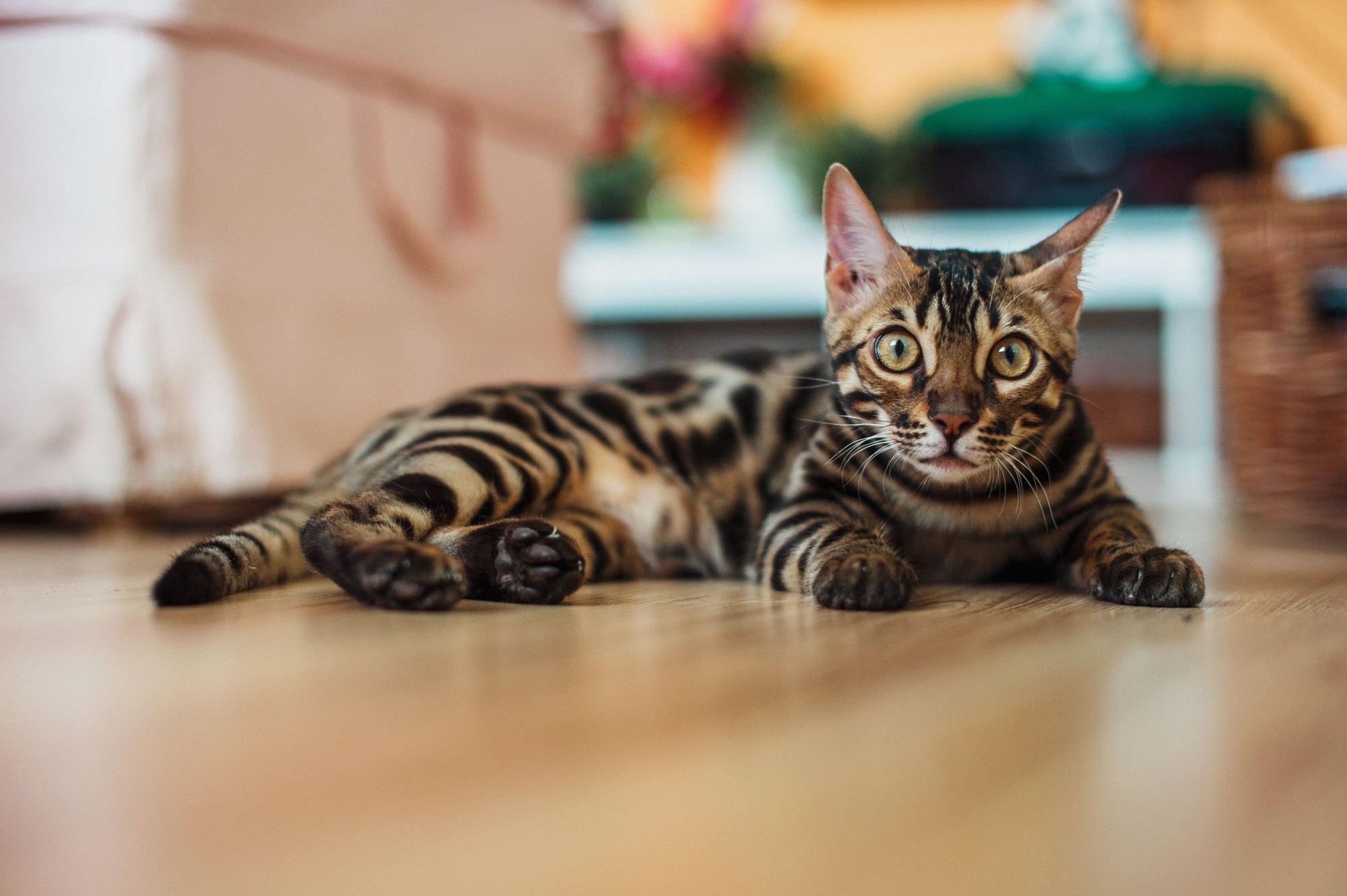
Bengal kittens are known for their curious personalities, playful nature, and high levels of activity. Like all growing kittens, they need nutrition that matches their stage of development and supports their everyday needs.
Choosing the right Bengal kitten food involves more than simply selecting a recipe. Your kitten's age, size, activity level, feeding routine, and individual needs can all play a role in determining how and what to feed.
What Should You Look for in Bengal Kitten Food?
Kittens are still developing, so their nutritional needs differ from those of adult cats. When choosing food for a Bengal kitten, several factors are worth considering.
Age-appropriate nutrition: Choose food that is suitable for your kitten's current life stage.
Quality animal ingredients: Animal-based ingredients are an important part of feline nutrition.
Essential nutrients: Cats require specific nutrients, including Taurine, as part of a complete and balanced diet.
Clear feeding guidance: Portion recommendations can help owners create a more consistent feeding routine.
Individual activity level: An active kitten may have different energy needs from a less active kitten of the same age.
Healthy Weight Maintenance for Growing Kittens
For a growing Bengal kitten, healthy weight maintenance is not about restricting food unnecessarily. The goal is to provide enough nutrition to support normal development while monitoring your kitten's growth and body condition over time.
A consistent feeding routine can make it easier to notice changes as your kitten grows.
Follow feeding recommendations based on your kitten's age and size.
Adjust portions as your kitten develops.
Monitor overall body condition rather than focusing on a single number on the scale.
Provide regular opportunities for play and activity.
Keep fresh water available throughout the day.
1 Month Kitten Food: What Owners Should Know
A one-month-old kitten is at a very early stage of development. Some kittens may still be nursing, while others may be beginning the transition toward solid food.
Because feeding needs at this age can vary, regular adult cat food may not be appropriate. Owners should choose nutrition suitable for young kittens and follow appropriate feeding guidance during the transition from milk to solid food.
If you are caring for an orphaned, underweight, or otherwise vulnerable young kitten, professional veterinary guidance is especially important.
Kitten Mousse and Other Soft Food Textures
Kitten mousse is often searched for by owners looking for food with a soft, easy-to-eat texture. Soft food may be part of the feeding process for kittens that are transitioning toward solid food.
However, texture is only one consideration. The food should also provide nutrition appropriate for your kitten's life stage.
When comparing kitten mousse or other soft foods, consider the ingredient list, nutritional suitability, feeding instructions, and whether the recipe is intended for kittens.
What About Homemade Food for Kittens?
Many cat owners search for homemade food for kittens because they want more control over the ingredients they feed.
However, preparing a nutritionally complete homemade diet for a growing kitten can be complex. Kittens require specific nutrients in appropriate amounts, and simply combining meat or other household ingredients may not provide complete and balanced nutrition.
If you are considering homemade food for your kitten, consult a qualified veterinary professional or veterinary nutrition expert before using a homemade recipe as the primary diet.
Homemade Food for a 1 Month Old Kitten
Homemade food for a one-month-old kitten requires particular care because kittens at this stage are still developing and may be in the process of weaning.
A recipe designed for an adult cat or a general homemade pet meal may not provide appropriate nutrition for a very young kitten. Before preparing a homemade diet for a one-month-old kitten, seek professional guidance to ensure the feeding plan matches the kitten's developmental needs.
Why Consider ZEAL Air-Dried Cat Food?
ZEAL was founded in 1999 with a focus on responsible sourcing, quality ingredients, and thoughtful nutrition for pets.
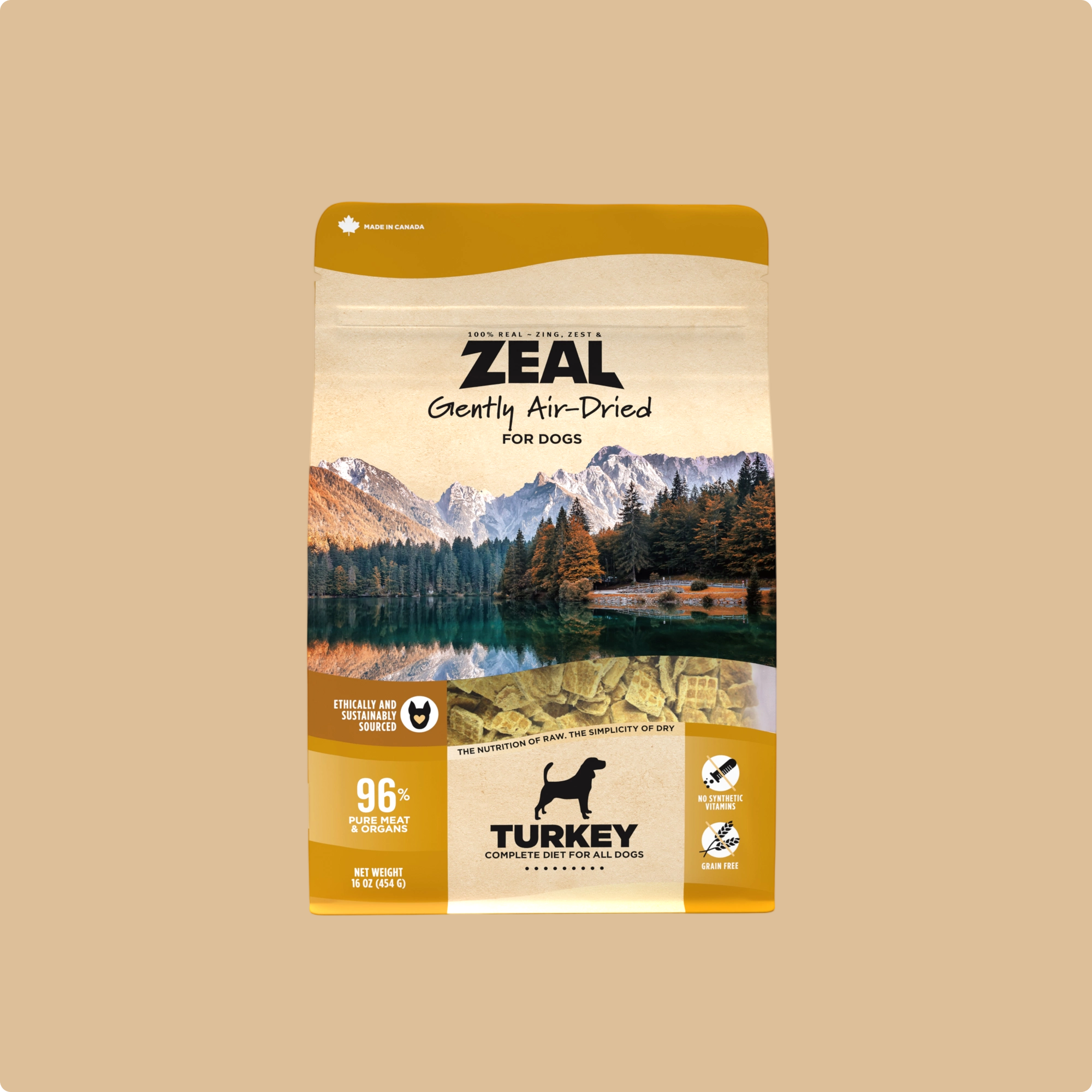
ZEAL air-dried cat food is made with 96% real meat & organs and gently air-dried in Canada. The recipes also include Taurine, an essential nutrient for cats, along with selected ingredients such as Green-Lipped Mussel, Krill Meal, and Pumpkin.
96% real meat & organs
Gently air-dried in Canada
Includes Taurine
Made with animal-based ingredients
Includes selected functional ingredients
How to Choose a Feeding Format for Your Kitten
Different feeding formats can offer different textures, preparation methods, and levels of convenience. The most important consideration is whether the food provides nutrition appropriate for your kitten's life stage.
Consideration | What to Look For |
|---|---|
Life stage | Nutrition appropriate for kitten growth |
Texture | A format your kitten can comfortably eat |
Ingredients | Clearly identified ingredients and nutritional information |
Feeding guidance | Portion recommendations based on age and size |
Transition | A gradual approach when introducing a new food |
How to Transition Your Bengal Kitten to a New Food
When changing your kitten's food, introduce the new recipe gradually whenever appropriate.
Begin with a small amount of the new food mixed with the current diet.
Gradually increase the amount of the new food over several days.
Monitor your kitten's appetite and general response during the transition.
If you have concerns about your kitten's health or feeding response, consult your veterinarian.
Final Thoughts
Choosing Bengal kitten food starts with understanding your kitten's age, growth stage, activity level, and individual needs. For healthy weight maintenance, focus on appropriate nutrition, consistent portions, regular monitoring, and normal development rather than unnecessary food restriction.
ZEAL offers a meat-focused air-dried cat food option made with 96% real meat & organs and selected ingredients, giving cat owners another feeding format to consider as part of their cat's overall nutrition routine.