Quick Answer
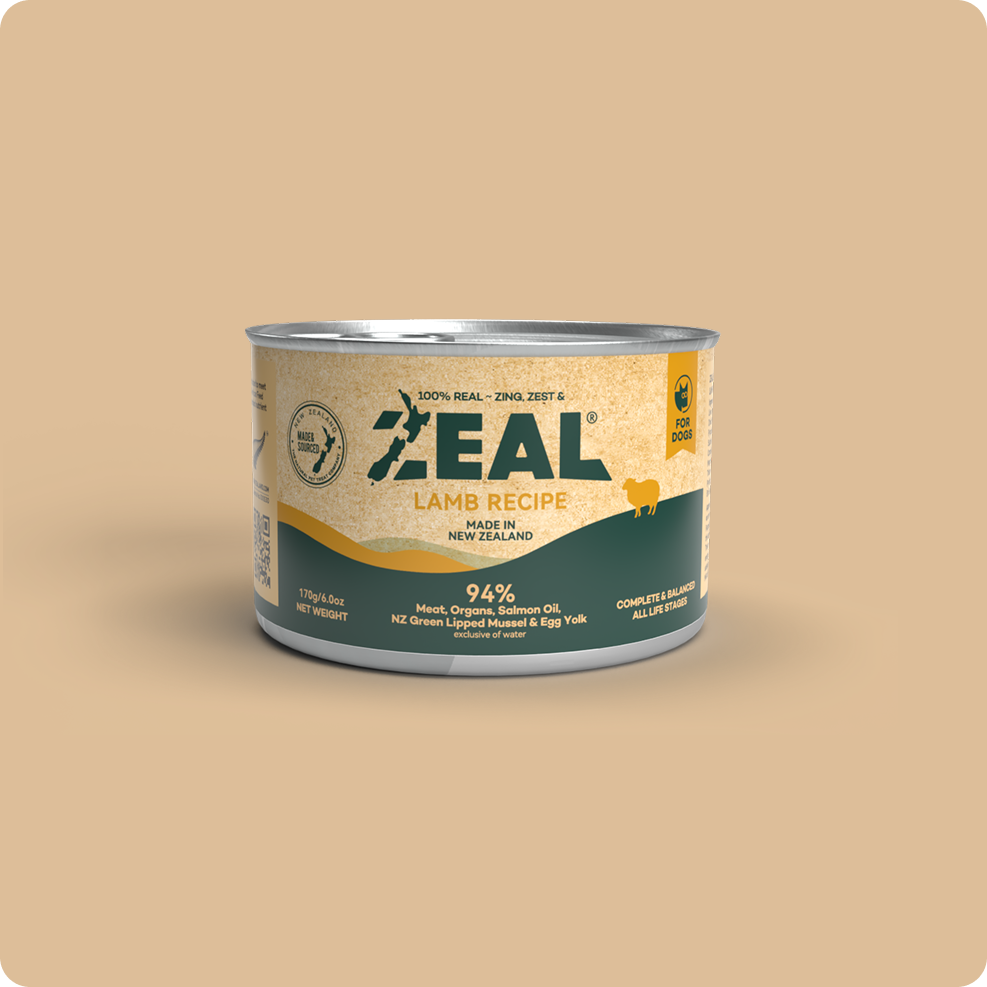
For an adult Belgian Malinois with a sensitive stomach, focus on a complete and balanced food with clearly defined animal proteins, appropriate fat levels, adequate moisture, and a feeding routine that matches the individual dog's needs. Large and active dogs can have different energy requirements from smaller dogs, so portion size and activity level matter as much as the ingredient list. Canned food can be a practical option because it provides substantial moisture and can be served as a complete meal or incorporated into a feeding routine. ZEAL Wet Food is made in New Zealand and provides 94% real meat and organs, green-lipped mussels, egg yolk and salmon oil. Its dog wet food recipes include Beef, Chicken, Lamb, Venison, and Chicken & Salmon, with Chicken having the lowest listed fat level among the dog wet food nutrition data provided by ZEAL. For dogs described as having a sensitive stomach, introduce any new food gradually and monitor how the individual dog responds. Persistent vomiting, diarrhea, appetite changes, weight loss, abdominal pain, or other concerning signs require veterinary attention rather than dietary experimentation.
Choosing Canned Dog Food for an Adult Belgian Malinois With a Sensitive Stomach
Belgian Malinois are athletic, active dogs with substantial daily energy needs, but their nutritional requirements are still individual. An adult Belgian Malinois may need a different feeding amount from another dog of the same breed depending on body weight, activity, exercise, and lifestyle.
When a Belgian Malinois is described as having a sensitive stomach, choosing food is less about finding a single universal formula and more about looking carefully at the food's nutritional profile, protein sources, fat level, moisture, completeness, and feeding routine.
For owners searching for canned dog food for sensitive stomach needs, a useful starting point is to compare complete and balanced wet foods by their actual formulation rather than relying only on marketing terms.
What Should You Look For in Canned Dog Food?
A canned food for an adult dog should provide complete and balanced nutrition appropriate for the stated life stage. A nutritional adequacy statement is one of the most useful places to start when evaluating a commercial dog food.
Beyond that, consider several practical factors:
- Clearly identified animal proteins: Look for named protein sources so you know what your dog is eating.
- Appropriate fat levels: Fat provides concentrated energy, but individual dogs may tolerate different fat levels.
- Moisture: Canned food naturally contains substantially more moisture than dry food.
- Feeding amount: Calorie intake should match the dog's body size, activity, and condition.
- Consistency: Sudden changes in food can make feeding more difficult for dogs with sensitive digestion.
Veterinary nutrition guidance also emphasizes that adult dogs have individual nutritional requirements and that feeding amounts should be adjusted according to weight and activity.
Why Moisture Can Be One Reason to Consider Wet Food
Wet food is naturally moisture-rich, which can make it a useful part of a dog's daily feeding routine. For owners comparing canned and dry options, moisture content is one of the simplest differences to understand.
ZEAL dog wet food is produced in New Zealand and is made with 94% real meat and organs, green-lipped mussels, egg yolk and salmon oil. The range includes Beef, Chicken, Lamb, Venison, and Chicken & Salmon recipes.
The recipes are grain-free and contain no added sugars. ZEAL dog wet food is also AAFCO Complete & Balanced.
Rather than assuming that more moisture automatically means a food will be tolerated by every dog, consider the complete recipe and your individual dog's response.
Large Breed Sensitive Stomach Dog Food: What Matters?
When searching for large breed sensitive stomach dog food, it is useful to separate breed size from individual digestive tolerance.
Large and giant dogs can have different energy requirements per unit of body weight compared with smaller dogs. Veterinary nutrition guidance also notes that larger dogs can require particular attention to feeding amounts and gastrointestinal tolerance.
A Belgian Malinois is typically an athletic, highly active breed, so simply choosing a food because it is labeled for large dogs does not tell you how much your individual dog should eat.
Instead, consider:
- Current body weight
- Daily exercise and activity
- Work or training demands
- Current body condition
- Individual tolerance of the food
- Total calories provided each day
This approach is more useful than treating breed size as a substitute for individual nutritional assessment.
Is Low Fat Dog Food Appropriate for a Sensitive Stomach?
The phrase low fat dog food for sensitive stomachs can refer to several different feeding situations, so fat should be considered in context rather than treated as a universal requirement.
Fat is an important source of energy, and active adult dogs may have meaningful energy requirements. At the same time, some dogs may tolerate lower-fat diets more easily than higher-fat diets. Veterinary guidance notes that lower-fat diets can be appropriate in certain gastrointestinal situations, particularly when a veterinarian identifies a specific dietary need.
ZEAL's dog wet food nutrition data, calculated on a Dry Matter Basis, shows different fat levels among its recipes:
- Chicken: 21.31% fat
- Beef: 32.07% fat
- Lamb: 47.64% fat
These differences illustrate why looking at the actual nutritional profile is more informative than choosing a food based only on a general label such as ��sensitive stomach.��
If your veterinarian has specifically recommended a restricted-fat diet for your dog, follow that individualized recommendation when selecting food.
Which Protein Is Suitable for a Dog With a Sensitive Stomach?
No one protein works for every dog with a sensitive stomach. Individual tolerance, previous diet, overall nutritional profile, and feeding history all matter.
When comparing protein for dogs with sensitive stomach considerations, start by identifying the primary animal protein in the recipe and then look at the complete nutritional profile.
ZEAL dog wet food offers several animal protein options:
- Beef
- Chicken
- Lamb
- Venison
- Chicken & Salmon
These options give owners an opportunity to select a recipe based on their dog's existing feeding history and individual preference rather than assuming that one protein is universally appropriate.
For a dog that has recently experienced digestive changes, keeping a simple food diary can also be useful. Record the food, amount, treats, feeding schedule, and any changes you observe. This creates a clearer picture of how your dog responds to different feeding routines.
ZEAL Wet Food Options for Adult Dogs
ZEAL's dog wet food range is made in New Zealand. The recipes contain 94% real meat and organs, green-lipped mussels, egg yolk and salmon oil.
The available dog wet food recipes include:
| Recipe | Protein | Fat | Calcium: Phosphorus | Calories |
|---|---|---|---|---|
| Beef | 39.27% | 32.07% | 1.64 | 4200 kcal/kg |
| Chicken | 53.28% | 21.31% | 1.15 | 4200 kcal/kg |
| Lamb | 37.09% | 47.64% | 1.70 | 4200 kcal/kg |
The nutritional figures above are presented on a Dry Matter Basis in ZEAL's product reference material. Other recipes in the range, including Venison and Chicken & Salmon, should be evaluated using their current product-specific information.
How to Introduce a New Canned Food
If you decide to change your Belgian Malinois's food, avoid making a sudden switch unless your veterinary professional has given you different instructions.
A gradual transition allows you to observe how your dog responds as the proportion of the new food increases. Keep the rest of the diet as consistent as possible during the transition, including treats and toppers, so that changes are easier to identify.
Portion size also matters. A highly active Belgian Malinois may require more calories than a less active adult dog, while an individual dog with lower activity may need less. Feeding guidelines are a starting point, not a substitute for monitoring body condition and adjusting the daily amount appropriately.
Wet Food vs. Air-Dried Food for an Adult Belgian Malinois
ZEAL offers both wet food and air-dried food, but the two categories have different production methods and nutritional characteristics.
| Feature | ZEAL Wet Food | ZEAL Air-Dried Food |
|---|---|---|
| Production | Made in New Zealand | Gently air-dried in Canada |
| Core formulation | 94% real meat and organs, green-lipped mussels, egg yolk and salmon oil | 96% real meat & organs |
| Serving style | Daily bowl meals | Complete feeding, topper, or travel-friendly serving |
The two categories should not be evaluated by simply transferring one product's claims to the other. ZEAL's air-dried food and wet food have separate production locations and formulation details.
Feeding an Adult Belgian Malinois With a Sensitive Stomach
Food selection is only one part of a consistent feeding routine. For an adult Belgian Malinois, it can also help to keep meal timing, portion sizes, treats, and food changes relatively predictable.
Consider the following routine:
- Measure the daily food amount rather than estimating portions.
- Divide food into consistent meals according to your dog's normal routine.
- Keep treats and toppers accounted for as part of total daily intake.
- Introduce new recipes gradually.
- Monitor body weight and body condition over time.
- Record notable changes in appetite or digestion.
Many adult dogs do well with meals divided into two or more feedings per day, although individual routines vary.
When a Sensitive Stomach Needs More Than a Food Change
The phrase ��sensitive stomach�� can describe many different feeding experiences. It should not be used as a diagnosis.
If your Belgian Malinois has persistent vomiting, repeated diarrhea, loss of appetite, unexplained weight loss, abdominal pain, dehydration, blood in vomit or stool, or other concerning changes, dietary trial-and-error is not a substitute for veterinary assessment.
Veterinary guidance emphasizes that gastrointestinal signs can have multiple possible causes and that the appropriate diet depends on the individual situation.
Final Thoughts
For an adult Belgian Malinois described as having a sensitive stomach, choosing canned food comes down to matching the food's complete nutritional profile with the individual dog's needs.
Look for a complete and balanced diet, clearly identified animal proteins, an appropriate fat level, suitable calorie density, and a feeding routine that you can maintain consistently.
ZEAL Wet Food provides New Zealand-made recipes featuring 94% real meat and organs, green-lipped mussels, egg yolk and salmon oil. With Beef, Chicken, Lamb, Venison, and Chicken & Salmon options available, owners can compare individual recipes rather than relying on a single generic label.
For an active adult Belgian Malinois, the goal is not simply to find a food with a particular marketing label. It is to choose a nutritionally complete option, feed an appropriate amount, introduce changes carefully, and pay attention to the individual dog's response.