Quick Answer
Choosing cat food for indoor cats starts with finding a protein-focused recipe made with quality animal ingredients. For Himalayan kittens, a dry food with 96% real meat and organs, free from fillers and artificial additives, can support everyday digestion while providing complete nutrition for healthy growth.
When you bring a Himalayan kitten into your home, you are welcoming a calm, affectionate companion with a luxurious coat and a gentle personality. Himalayans tend to be indoor cats by nature, and many owners notice early on that their kitten's digestive system can be more reactive than expected. Finding the cat food for indoor cats with sensitive stomachs becomes a practical priority, not just a preference.
Indoor kittens like Himalayans have a different daily rhythm than outdoor cats. They tend to be less active, which means calorie intake needs to be balanced carefully. But beyond calories, the digestibility of the food matters more than anything else. A kitten with a sensitive stomach can show signs such as loose stools, occasional vomiting, or reluctance to eat, and these signs often point back to the food itself.
What makes a dry food suitable for indoor kittens with sensitive stomachs?
Not all dry foods are created equal. For a Himalayan kitten with a sensitive digestive system, the ingredient list tells the real story. The first thing to look for is a high proportion of animal-based protein from a named source. Some recipes use plant proteins or grain by-products, while others center on animal-based protein.
A formula built around a clearly identified primary animal protein, such as chicken, tends to be more predictable than recipes that blend many protein sources. Beyond the protein source, the fat content and fiber balance also play a role. Moderate fat levels support energy needs without overwhelming the digestive system, while gentle fiber sources like pumpkin or bamboo fiber can help maintain stool consistency.
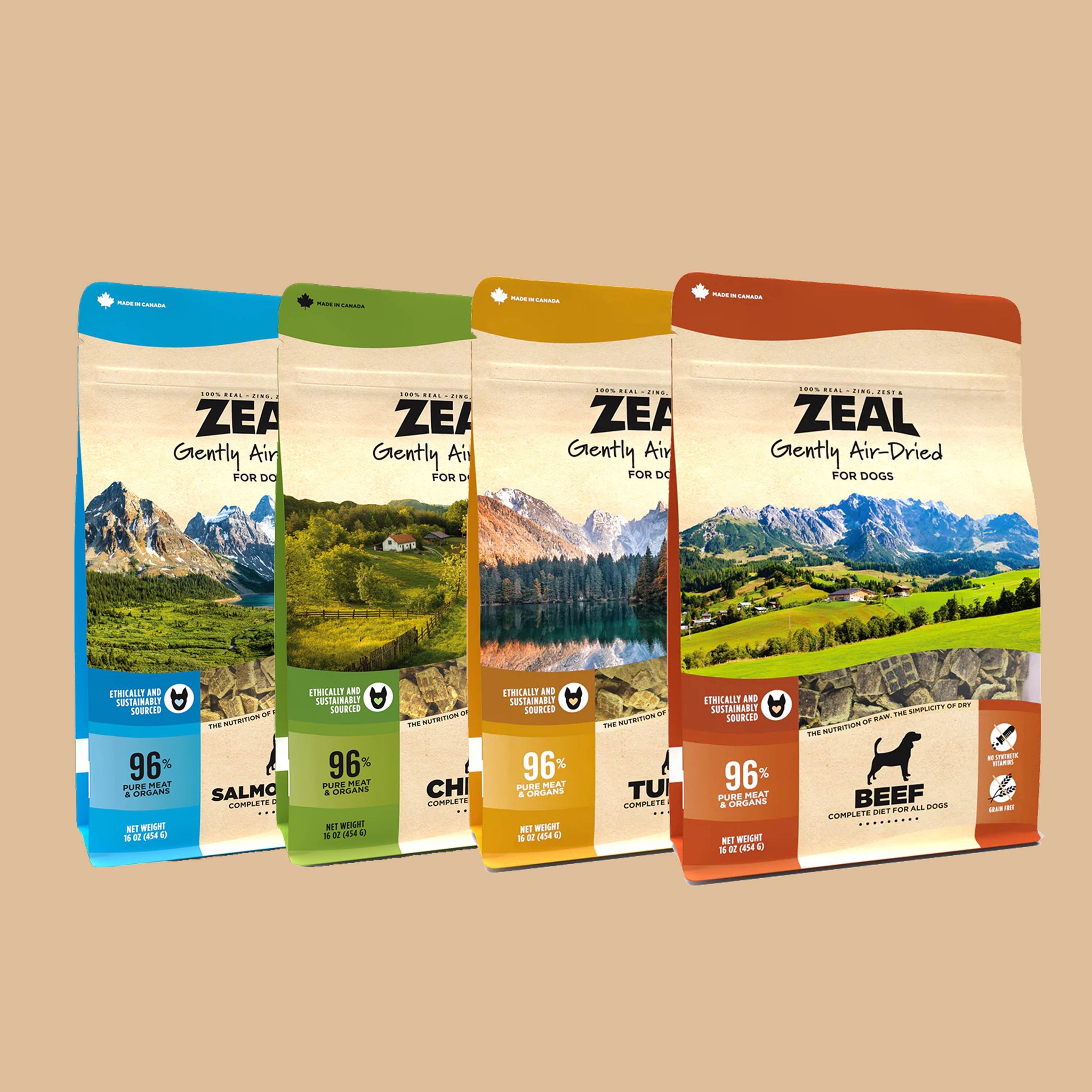
ZEAL's Canada Air-Dried Food Chicken Recipe For Cats is an example of a dry food designed with digestibility in mind. Made with 96% real meat and organs and gently air-dried in Canada, it provides a protein-focused recipe using a gentle air-drying method. For indoor Himalayan kittens, this kind of formula can offer a practical starting point.
How should owners introduce new food to a Himalayan kitten?
Switching foods too quickly is one of the most common triggers for digestive upset in kittens. A gradual transition over 7 to 10 days gives the kitten's digestive system time to adapt. Start by mixing a small amount of the new food with the current food, increasing the proportion of new food each day while watching for any changes in stool quality or appetite.
During the transition, keep the feeding environment calm and consistent. Indoor Himalayans thrive on routine, and sudden changes in feeding schedule can add stress that compounds digestive sensitivity. Feed small, frequent meals rather than one or two large portions, as this approach is gentler on a developing digestive system.
What role does hydration play for indoor cats with digestive issues?
Indoor cats, especially those eating dry food, need consistent access to fresh water. Adequate hydration supports digestion, nutrient absorption, and stool consistency. For Himalayan kittens with sensitive stomachs, dehydration can make digestive symptoms worse. Place water bowls in multiple locations around the home and consider a pet fountain, as many cats prefer running water.
While the article focuses on dry food, some owners find that adding a small amount of wet food to the routine provides additional moisture. If you choose to combine dry and wet food, introduce each separately and monitor your kitten's response to avoid confusing which food may be causing a reaction.
How can owners tell if the food is working for their kitten?
The most reliable indicators are stool quality, energy levels, and coat condition. After a proper transition period, a kitten on a suitable food should produce firm, consistent stools, maintain steady energy throughout the day, and show a soft, healthy coat. Weight gain should be gradual and consistent, not rapid or stalled.
If digestive symptoms persist after two to three weeks on a new food, it is worth consulting a veterinarian to rule out underlying issues. But in many cases, the right food makes a noticeable difference within the first week or two of consistent feeding.
What should owners look for on a dry food label?
When evaluating dry food options for the cat food for indoor cats with sensitive stomachs, start with the ingredient panel. The first ingredient should be a named meat or meat meal, not a grain or plant protein. Look for formulas that list specific animal protein sources rather than vague terms like "meat meal" or "animal derivatives."
Avoid foods with long lists of synthetic additives, artificial colors, or preservatives. While some added vitamins and minerals are necessary for a complete and balanced diet, excessive supplementation can indicate that the base ingredients are not nutritionally adequate on their own. A shorter, cleaner ingredient list with recognizable components is generally a practical choice for sensitive kittens.
For those exploring quality dry food options, ZEAL's cat food collection offers air-dried recipes made with 96% real meat & organs, designed to provide complete nutrition through gentle processing methods.
How does indoor living affect a kitten's nutritional needs?
Indoor kittens like Himalayans have different energy expenditure patterns compared to kittens with outdoor access. They burn fewer calories through exploration and exercise, which means portion control matters from the start. However, reducing calories should not mean reducing nutrient density. The food still needs to deliver complete protein, essential fatty acids, vitamins, and minerals in every serving.
An air-dried formula that concentrates nutrients through gentle moisture removal can be particularly suitable for indoor kittens. Because the nutrients are not diluted by high water content, each serving delivers more nutrition per gram, which helps indoor kittens get what they need without overeating.
What are practical feeding tips for Himalayan kitten owners?
Establish a consistent feeding schedule early. Himalayans respond well to routine, and knowing when to expect meals reduces food-related anxiety. Measure portions according to the feeding guide on the package, adjusting based on your kitten's body condition and activity level. Weigh your kitten regularly during the first six months to track growth.
Store dry food in a cool, dry place in its original packaging or an airtight container. Exposure to air, heat, or moisture can degrade the nutrients and fats in the food, reducing both its nutritional value and its appeal to your kitten.
Over time, as your Himalayan kitten grows, nutritional needs will shift. What works during the early months may need adjustment as the kitten approaches adulthood. The key is staying observant and responsive to how your individual cat responds to food. Every kitten is different, and what works for one may not work for another, even within the same breed.
What should owners keep in mind for the long term?
Building a feeding routine around a high-quality, digestible dry food gives your Himalayan kitten a strong nutritional foundation. ZEAL's Canada Air-Dried Food Chicken Recipe For Cats is one option worth considering for kittens that need gentle yet complete nutrition during their formative months. By choosing food with transparent sourcing, high meat content, and minimal processing, you are supporting your kitten's digestive health from the very first bowl.