Quick Answer
Persian kittens need protein-rich, AAFCO-complete kitten food with animal protein as the primary ingredient. Kibble size and shape can matter for Persians due to their flat facial structure, but the nutritional fundamentals are the same as for any kitten. A combination of dry and wet food often works well, providing both convenience and moisture. Look for recipes with named animal proteins, omega-3 sources for coat health, and no artificial additives.
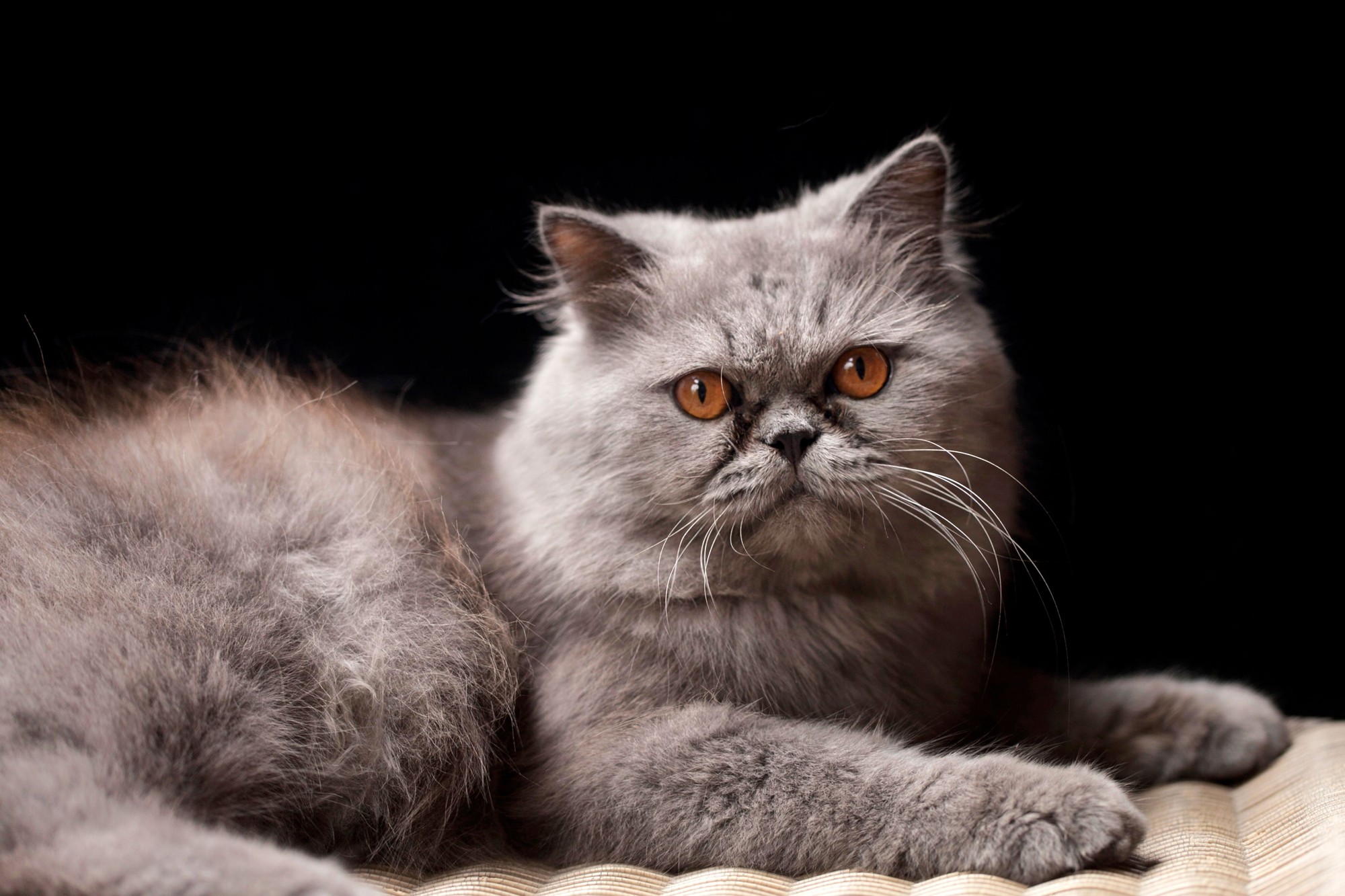
Bringing home a Persian kitten means welcoming a gentle, affectionate companion into your life. Along with that fluffy coat and sweet temperament comes the responsibility of feeding them well during the months when growth happens fastest. Persian kittens have some breed-specific traits worth keeping in mind when picking their meals, but the fundamentals of good kitten nutrition apply across the board. Understanding what a growing Persian needs from their food helps you make confident choices from the start.
What makes Persian kitten nutrition different?
Persian kittens share the same basic nutritional requirements as other kittens: higher protein for muscle development, more calories for energy, and the right balance of minerals for bone growth. The breed's flat face, or brachycephalic structure, can sometimes make picking up kibble a little more deliberate than it is for a longer-muzzled cat. That does not mean Persians need a completely different diet, but the shape and texture of dry food can matter more than it might for other breeds.
Some owners find that a slightly smaller kibble size or a shape that is easier to grasp helps their Persian kitten eat comfortably. This is a practical consideration, not a nutritional one, but it is worth observing during the first few weeks at home. If your kitten seems to push food around the bowl without eating much, a different kibble shape or a mix of dry and wet food might help.
How much protein does a growing Persian kitten need?
Kittens of all breeds need protein-rich diets to support rapid growth. Look for foods where animal protein is the foundation of the recipe. AAFCO-complete kitten formulas are designed to meet the elevated protein and fat requirements of the growth phase, so choosing a food labeled for kittens or for all life stages is a good starting point.
ZEAL's Canada-made air-dried cat food, for example, contains 96% real meat & organs, delivering the kind of protein density that supports lean muscle development in kittens. The air-dried format preserves nutrients through gentle air-drying, which means the food retains more of its natural nutritional value without needing synthetic top-ups. For Persian kittens, a protein-focused recipe made with quality animal ingredients provides the building blocks for healthy growth without fillers that add calories without nutrition.
Dry food or wet food: which is a good fit for a Persian kitten?
There is no single right answer. Many Persian kitten owners use a combination approach. Dry food offers convenience and can be left out for grazing, while wet food adds moisture and can be more appealing to kittens who are still learning to eat solid meals.
If you choose dry food, pay attention to kibble size and shape. Some Persian kittens manage standard kibble without any issue, while others benefit from a smaller, flatter piece. The air-dried format from ZEAL has a texture that many cats find easy to chew, and it can be served dry or lightly moistened with warm water to soften it further during the early weaning weeks.
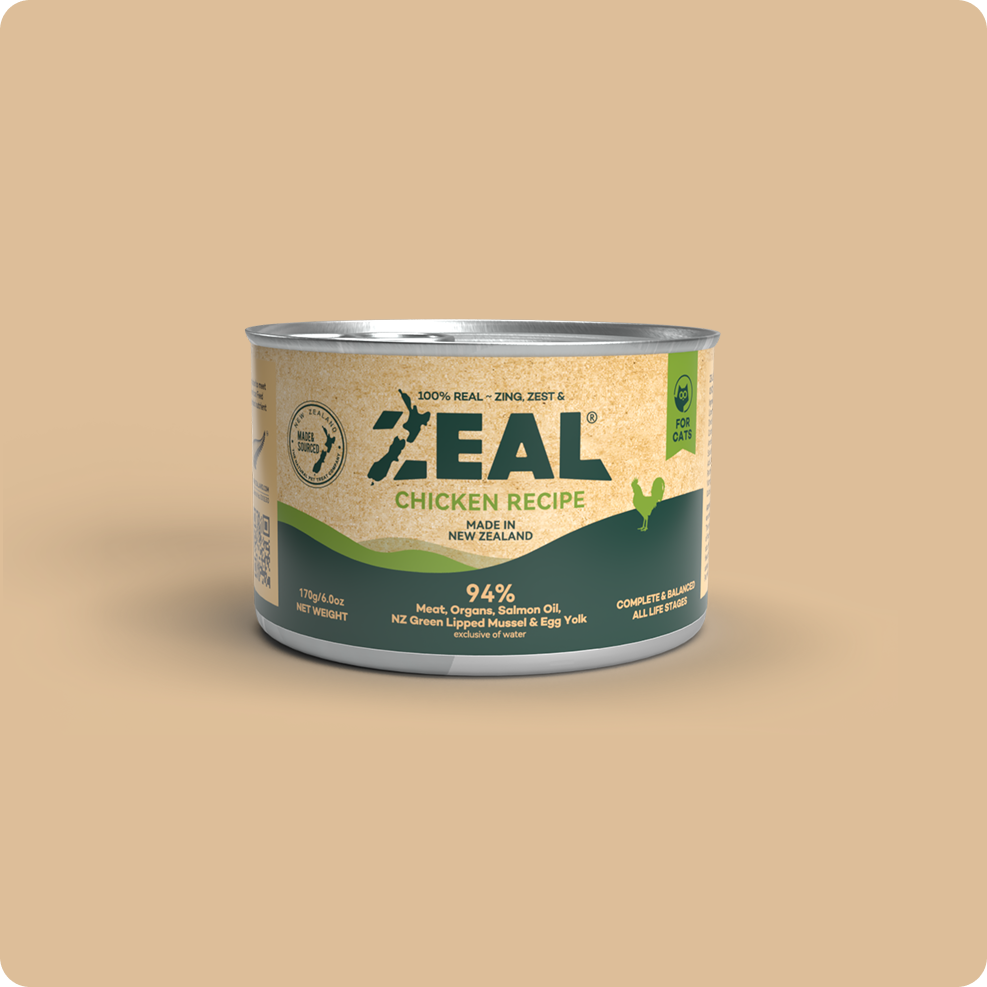
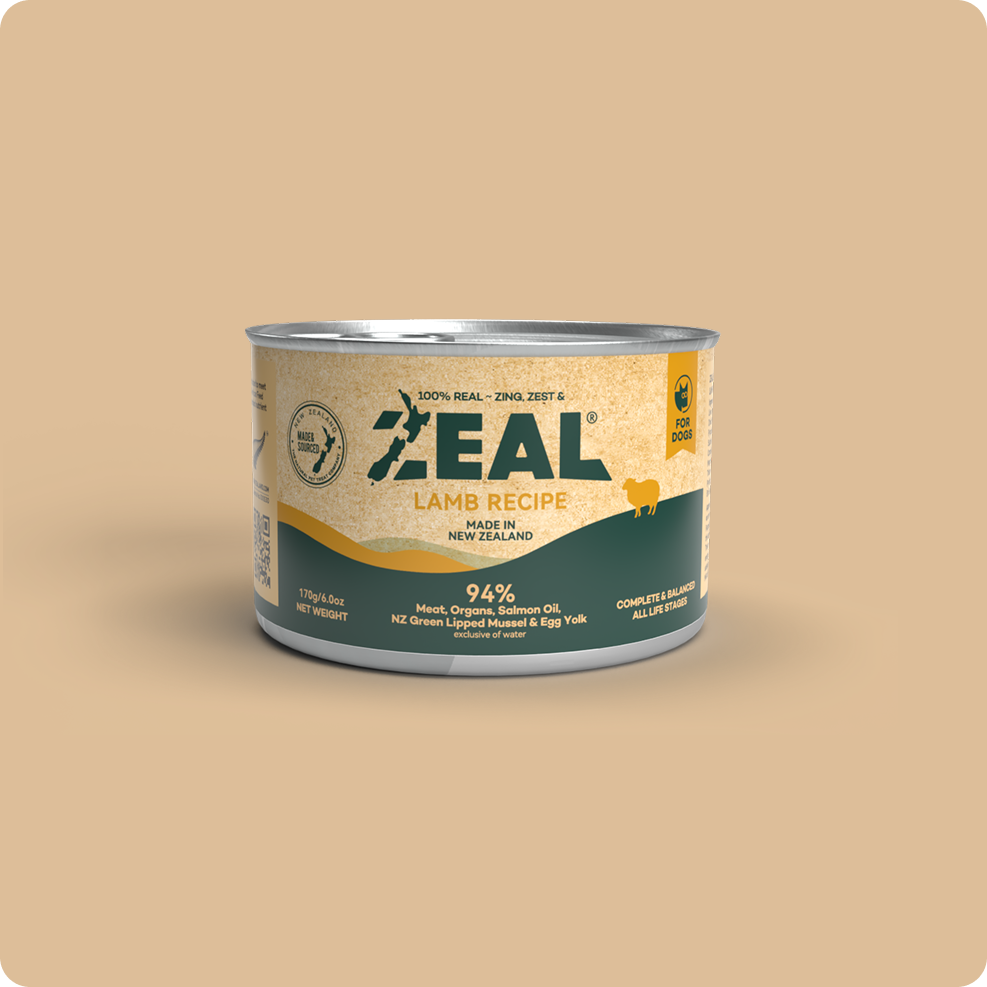
Wet food from New Zealand, like ZEAL's wet food recipes, offers another option. With 94% meat and organs and a moisture-rich texture, wet food can be especially helpful for kittens who are not drinking enough water on their own. The soft consistency also makes it easy for a young Persian to eat without any difficulty.
What should you look for on the ingredient panel?
When comparing kitten foods, the ingredient list tells you more than the front of the package. Look for named animal proteins at the top of the list, such as chicken, beef, or lamb, rather than vague terms like meat meal or animal by-products. A shorter ingredient list with recognizable items is generally a good sign.
ZEAL recipes keep ingredient lists straightforward. The air-dried chicken recipe for cats, for instance, is built around chicken as the primary animal protein, with pumpkin and bamboo fiber included for digestive support. There are no grain fillers, no added sugars, and no artificial preservatives. The addition of New Zealand green-lipped mussel provides a natural source of omega-3 fatty acids, which support skin health and coat condition, something Persian owners often pay close attention to given the breed's long, dense fur.
How can you build a practical feeding routine?
Kittens under six months typically need three to four small meals a day. Their stomachs are small, and their energy needs are high, so spreading food across the day works well compared to offering one or two large portions. As your Persian kitten approaches six to eight months, you can gradually shift to two or three meals.
Start by following the feeding guide on the package, then adjust based on your kitten's body condition. A healthy Persian kitten should have a visible waist when viewed from above and ribs that can be felt with light pressure but not seen. Persian cats can be prone to weight gain as adults, so establishing healthy portion habits early is a good practice.
For owners exploring air-dried options, ZEAL's cat food collection includes recipes that work well for kittens when served in appropriate portions. The nutrient density of air-dried food means a smaller serving provides substantial nutrition, which can be helpful for kittens who eat smaller amounts per meal.
What about coat health and Persian-specific care?
Persian cats are known for their long, luxurious coats, and nutrition plays a supporting role in coat condition. Omega-3 and omega-6 fatty acids from quality animal fats and marine sources help maintain skin health and a shiny coat. ZEAL's air-dried recipes include salmon oil and green-lipped mussel, both of which contribute omega-3s naturally.
Grooming is still the primary factor in coat care for Persians, but a diet rich in quality fats and protein provides the internal support that makes the coat look and feel healthy. There is no special Persian-specific nutrient, but the overall quality of the diet shows up in the condition of the skin and fur over time.
When should you consider switching formulas?
Most kittens can transition to adult food around 12 months of age. Persian cats may mature a little more slowly than some other breeds, so some owners wait until 14 to 15 months before making the switch. Watch for signs that growth has plateaued and consult your veterinarian if you are unsure about timing.
If your Persian kitten shows signs of digestive upset, such as loose stools or reduced appetite, it is worth reviewing the current food. Sometimes a different protein source or a formula with added digestive support, like the pumpkin and bamboo fiber in ZEAL's air-dried recipes, can make a difference. Changes should always be gradual, mixing the new food with the old over seven to ten days.