Quick Answer
Choosing the cat food for hairballs starts with finding a formula that supports healthy digestion and smooth coat maintenance. For Abyssinian kittens, a dry food with quality animal protein, gentle fiber sources, and omega fatty acids can help reduce hairball formation while providing complete nutrition for healthy growth.
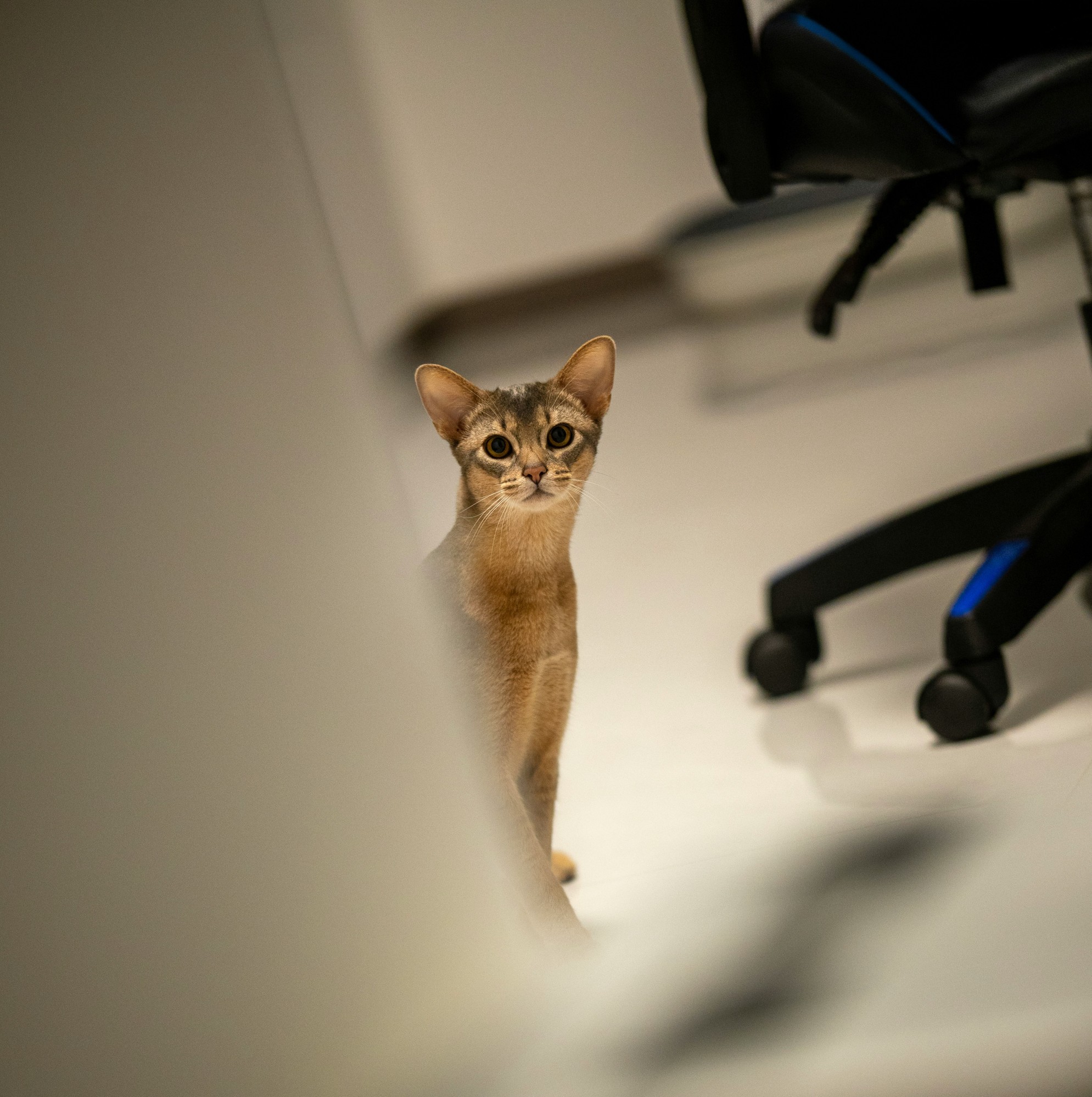
Abyssinian kittens are known for their short, sleek coats and playful energy. While they may not have the long fur of some other breeds, every cat grooms regularly, and hairballs can still be a concern for young Abyssinians. Finding the cat food for hairballs becomes a practical consideration for owners who want to support their kitten's digestive comfort from the start.
Hairballs form when a cat swallows loose fur during grooming. Most of this fur passes through the digestive system without issue, but some can accumulate in the stomach and be coughed up. For kittens, this can be uncomfortable and may affect appetite. The right diet can help by supporting healthy digestion and reducing the amount of loose fur through a healthier coat.
What makes a dry food helpful for hairball control in kittens?
Dry foods designed to support hairball management typically focus on two areas: fiber content and coat health. A moderate amount of gentle fiber, such as pumpkin or bamboo fiber, can help move ingested fur through the digestive tract more smoothly. At the same time, omega-3 and omega-6 fatty acids support skin and coat health, which can reduce excessive shedding and the amount of loose fur a kitten swallows during grooming.
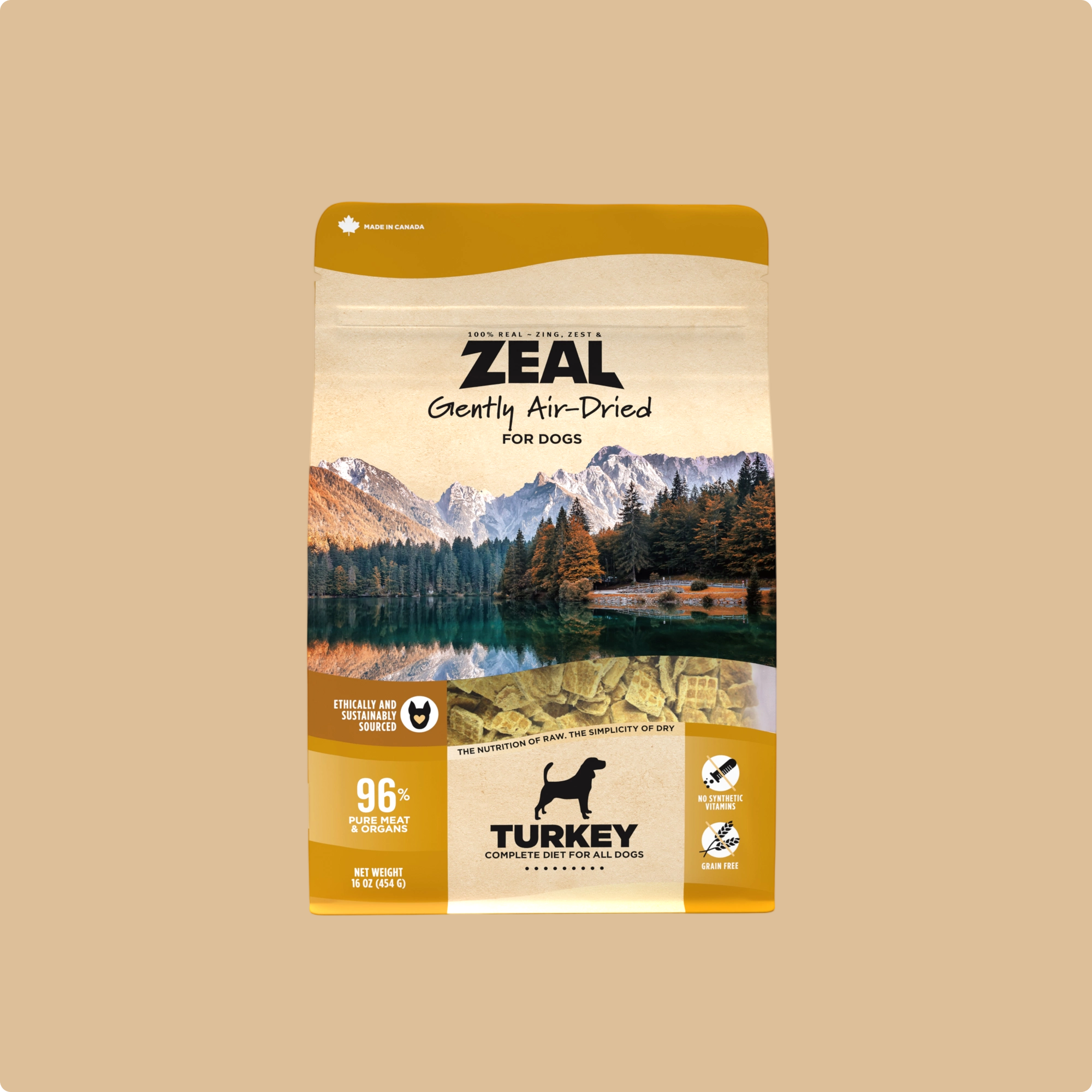
For Abyssinian kittens, a formula built around quality animal protein with natural fiber sources offers a practical approach. ZEAL's Canada Air-Dried Food Chicken Recipe For Cats, made with 96% real meat & organs and produced through gentle air-drying, includes pumpkin and bamboo fiber for gentle digestive support. The omega fatty acids from salmon oil also contribute to coat condition.
How does grooming frequency affect hairball formation in Abyssinians?
Abyssinians have a short, fine coat that requires less grooming maintenance than long-haired breeds. However, they are fastidious self-groomers and may spend significant time licking their coat each day. Regular brushing by the owner, even just a few times a week, can remove loose fur before the kitten swallows it, reducing the overall fur load in the digestive system.
Combining regular brushing with a diet that supports digestive motility creates a two-pronged approach to hairball management. For kittens, starting a brushing routine early also helps them become comfortable with handling, which benefits veterinary visits and general care throughout their life.
What role does hydration play in hairball prevention?
Water is essential for healthy digestion and helps keep the digestive tract moving properly. A kitten that is well-hydrated is more able to pass ingested fur through the system rather than accumulating it in the stomach. Place fresh water bowls in multiple locations around the home and clean them daily to encourage drinking.
Some owners find that adding a small amount of wet food to the routine provides additional moisture. While this article focuses on dry food, combining dry and wet food can offer hydration benefits. If you choose to do this, introduce each food separately and monitor your kitten's response.
How can owners tell if their kitten's diet is helping with hairballs?
The most noticeable sign is a reduction in hairball frequency. A kitten on a suitable diet should produce fewer hairballs over time, and any that do occur should pass more easily. Other positive signs include consistent stool quality, a soft and shiny coat, and steady energy levels throughout the day.
If hairballs remain frequent after several weeks on a new food, consider whether grooming habits, hydration, or other factors may be contributing. A veterinary consultation can help rule out underlying digestive issues that may be complicating hairball management.
What should owners look for on a dry food label for hairball support?
When evaluating dry food options for hairball control, look for formulas that include natural fiber sources such as pumpkin, bamboo fiber, or beet pulp. These ingredients support healthy digestion without being harsh on a kitten's developing system. Omega fatty acids from fish oil or flaxseed are also valuable for coat health.
Avoid foods with excessive fillers, artificial additives, or low-quality protein sources that may not support coat condition. A shorter, cleaner ingredient list with recognizable components is generally a practical choice. For those exploring quality options, ZEAL's cat food collection offers air-dried recipes made with 96% real meat & organs, designed to provide complete nutrition through gentle processing methods.
How does indoor living affect hairball formation?
Indoor cats, including Abyssinian kittens, tend to groom more frequently than outdoor cats, partly because they have fewer environmental distractions. Indoor heating and air conditioning can also affect coat condition, potentially leading to more shedding. A consistent diet that supports both digestion and coat health helps address these indoor-specific factors.
An air-dried formula that concentrates nutrients through gentle moisture removal can be particularly suitable for indoor kittens. Because the nutrients are not diluted by high water content, each serving delivers more nutrition per gram, which helps indoor kittens get what they need without overeating.
What are practical feeding tips for Abyssinian kitten owners dealing with hairballs?
Establish a consistent feeding schedule early. Abyssinians are active and benefit from routine, and knowing when to expect meals reduces food-related stress. Measure portions according to the feeding guide on the package, adjusting based on your kitten's body condition and activity level.
Store dry food properly in a cool, dry place in its original packaging or an airtight container. Exposure to air, heat, or moisture can degrade the nutrients and fats in the food, reducing both its nutritional value and its appeal to your kitten. Proper storage helps maintain the omega fatty acids that support coat health.
Over time, as your Abyssinian kitten grows, nutritional needs will shift. What works during the early months may need adjustment as the kitten approaches adulthood. The key is staying observant and responsive to how your individual cat responds to food. Every kitten is different, and what works for one may not work for another, even within the same breed.
What should owners keep in mind for the long term?
Building a feeding routine around a high-quality, digestible dry food gives your Abyssinian kitten a strong nutritional foundation. ZEAL's Canada Air-Dried Food Chicken Recipe For Cats is one option worth considering for kittens that need gentle yet complete nutrition with digestive and coat support. By choosing food with transparent sourcing, high meat content, and minimal processing, you are supporting your kitten's digestive health and coat condition from the very first bowl.