Quick Answer
Kittens with sensitive stomachs need food that provides complete nutrition for growth while being gentle on a developing digestive system. Look for recipes with clearly identified animal proteins, a straightforward ingredient list, and gentle preparation methods. ZEAL's Canada-made air-dried cat food offers a protein-focused formula that many owners consider for kittens needing daily digestive support.
What makes a kitten's stomach sensitive?
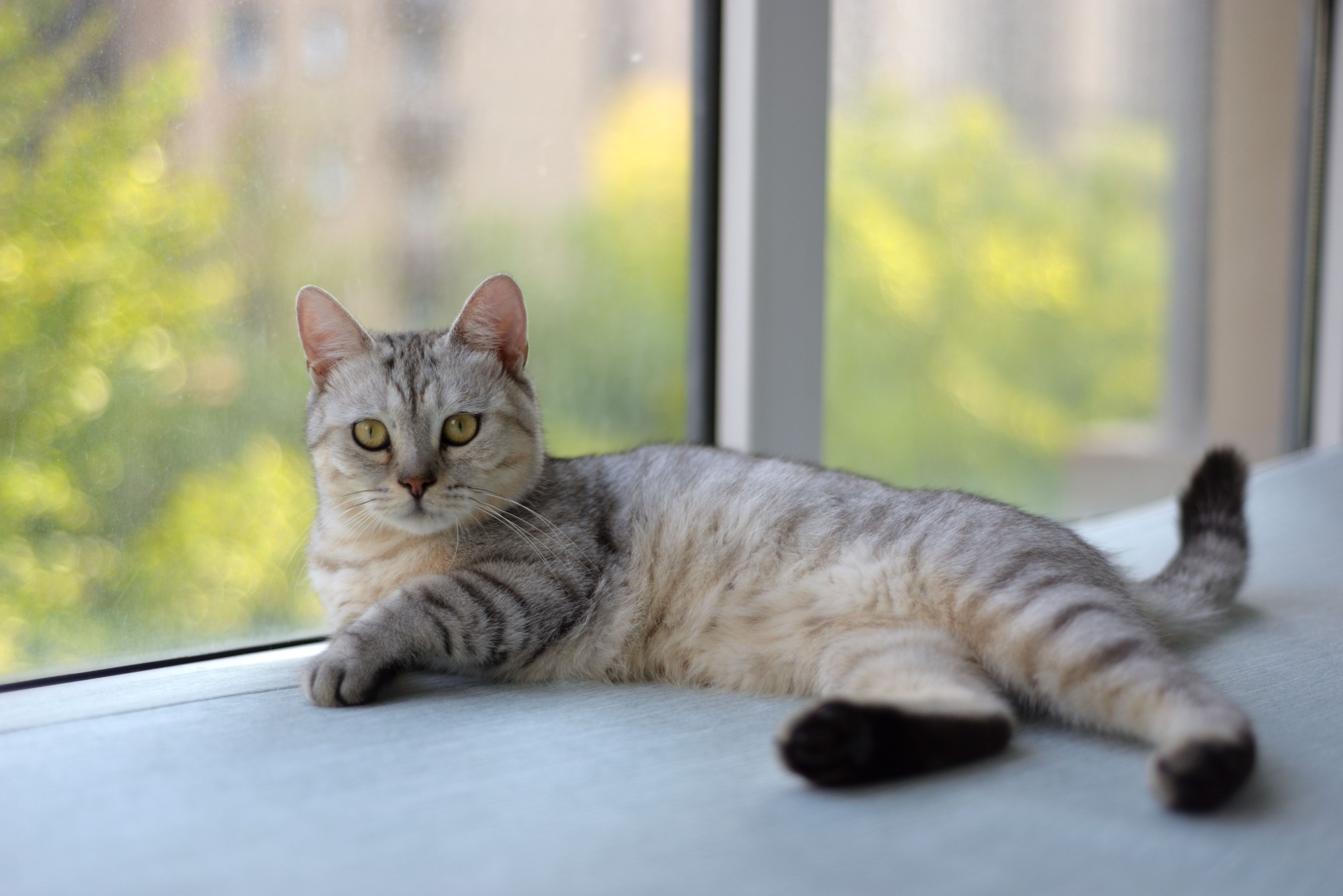
A kitten's digestive system is still developing during the first year of life. For some American Shorthair kittens, this means occasional loose stools, gas, or reluctance to eat certain foods. Sensitive digestion in kittens can stem from several factors: the transition from mother's milk to solid food, an immature gut microbiome, or difficulty processing certain ingredients commonly found in commercial cat foods.
Rather than reaching for a prescription diet, many owners start by looking at the ingredient list and the food's preparation method. A recipe built around a primary animal protein, without unnecessary fillers or artificial additives, can be gentler on a young cat's system. The key is finding a food that provides complete nutrition without overwhelming a still-maturing digestive tract.
How should you evaluate dry food for a kitten with digestive sensitivity?
When reading labels for a kitten with a sensitive stomach, the first thing to check is the protein source. Recipes that center on a single primary animal protein tend to be more predictable for digestion. Chicken-based formulas, for example, are often well-tolerated by young cats.
Next, look at what the food does not contain. Grain-free recipes avoid common carbohydrate sources that some kittens find harder to digest. Avoiding added sugars, artificial colors, and synthetic preservatives is one way to keep the ingredient list straightforward. The preparation method matters too. ZEAL air-dried cat food is gently air-dried in Canada, a process that produces a convenient, shelf-stable format built around real meat and organs.
ZEAL's Canada-made air-dried cat food, with 96% real meat & organs, fits this approach. For an American Shorthair kitten with digestive sensitivity, this type of recipe provides concentrated nutrition in a convenient, shelf-stable form.
Why does ingredient simplicity matter for sensitive kittens?
A shorter ingredient panel is not about being "limited" �� it is about being intentional. Each ingredient in a kitten's food should serve a clear nutritional purpose. When a recipe contains a long list of botanicals, multiple protein sources, and various binding agents, it becomes harder to identify what might be causing digestive upset.
Recipes that use pumpkin or bamboo fiber as gentle fiber sources can support healthy stool formation without irritating the gut. Ingredients like turmeric and ginger, included in some ZEAL air-dried formulas, have traditionally been used to support digestive comfort. These thoughtful additions work with the primary protein, not against it.
What does a practical feeding routine look like for an American Shorthair kitten?
American Shorthair kittens are typically active and curious, with moderate energy levels that grow into a sturdy adult build. During the kitten stage, they benefit from multiple small meals throughout the day rather than one or two large portions. This approach spreads food intake across the day and helps maintain steady energy levels.
Start by offering a small amount of the chosen food, moistened slightly with warm water to soften the texture for a young kitten. Watch how your kitten responds over the first few days �� appetite, stool quality, and overall demeanor are useful indicators. If the food agrees with your kitten, you can gradually increase portion sizes as they grow, following the feeding guide on the package as a starting point and adjusting based on your kitten's body condition.
How can you tell if the food is working for your kitten?
The signs of good digestive tolerance are straightforward. Your kitten should have formed, consistent stools without straining or urgency. Their appetite should be steady �� a kitten that approaches the bowl eagerly is generally a kitten that feels good. Coat quality, energy levels, and steady weight gain are additional indicators that the food is providing what a growing American Shorthair needs.
If loose stools or digestive discomfort persist beyond the first week of a new food, it is worth checking the transition pace. Switching foods too quickly is a common cause of temporary digestive upset. A gradual transition over 7-10 days, mixing increasing amounts of the new food with the old, gives the digestive system time to adapt.
What role does hydration play in digestive comfort?
Even when feeding dry food, hydration remains important for digestive health. Kittens eating dry food should always have access to fresh, clean water. Some owners find that adding a small amount of warm water to dry food at mealtime helps soften the texture and encourages water intake, which can support smoother digestion.
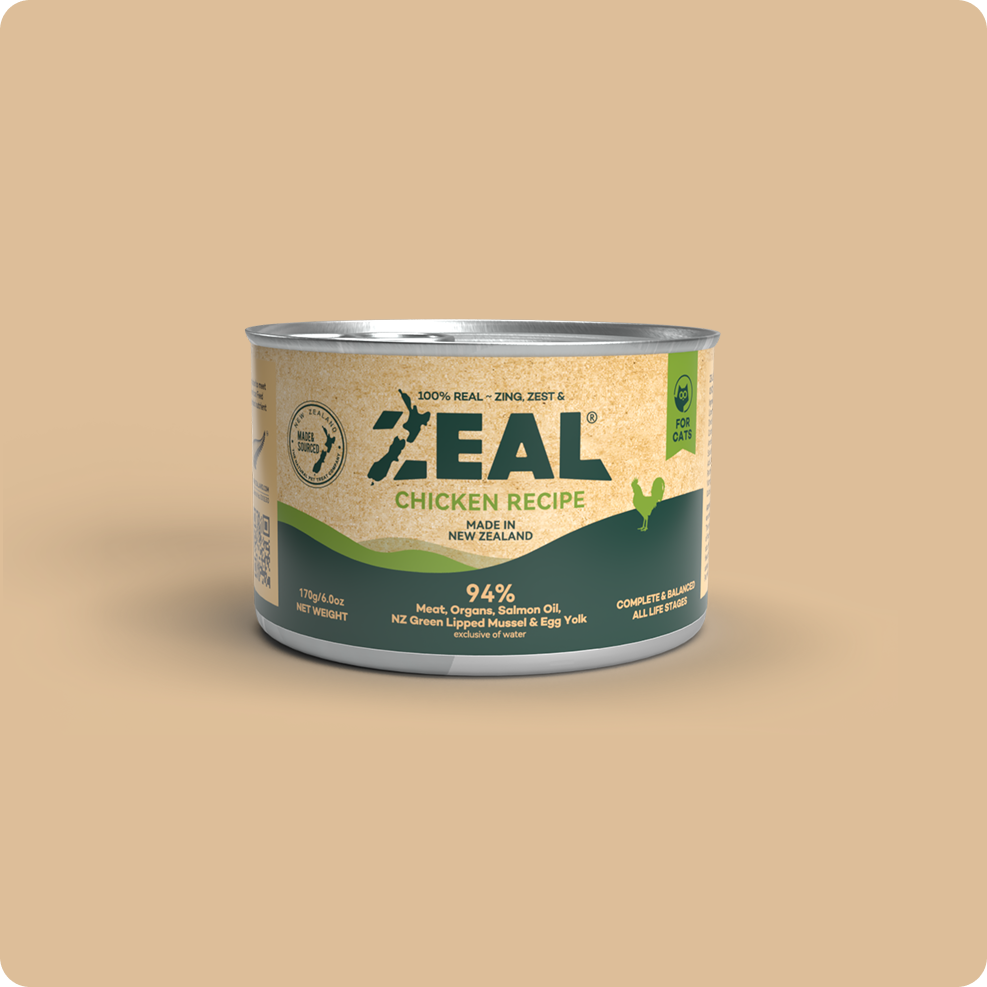
For American Shorthair kittens with particularly sensitive stomachs, the moisture content of the food itself can be a factor. While this article focuses on dry food options, owners may also consider incorporating wet food into the rotation. ZEAL's New Zealand-made wet food for cats, made with 94% real meat and organs, green-lipped mussels, egg yolk and salmon oil, provides a moisture-rich alternative that some kittens find easier to digest alongside their dry food.