Quick Answer
A healthy kitten food for a Siamese should provide high-quality animal protein as the primary ingredient, balanced omega fatty acids for coat and brain development, and appropriate calorie density for an active, lean-bodied breed. Look for recipes with 35% or more protein on a dry matter basis, named meat sources as the first ingredient, and no artificial fillers.
Why nutrition matters during the Siamese kitten stage
Siamese kittens grow rapidly during their first year. This breed is known for its lean, muscular build and high activity level, which means their nutritional demands are substantial. A kitten's body is building bone density, muscle tissue, and a fully functioning immune system all at once. The food you choose during this window directly influences long-term health outcomes, including coat quality, digestive resilience, and overall vitality.
Unlike adult cats, kittens need roughly twice the energy per pound of body weight. For a Siamese, whose natural temperament tends toward curiosity and playfulness, calorie expenditure can be even higher. A healthy kitten food formulated for growth provides the concentrated nutrition these cats need without relying on empty calories from carbohydrate-heavy fillers.
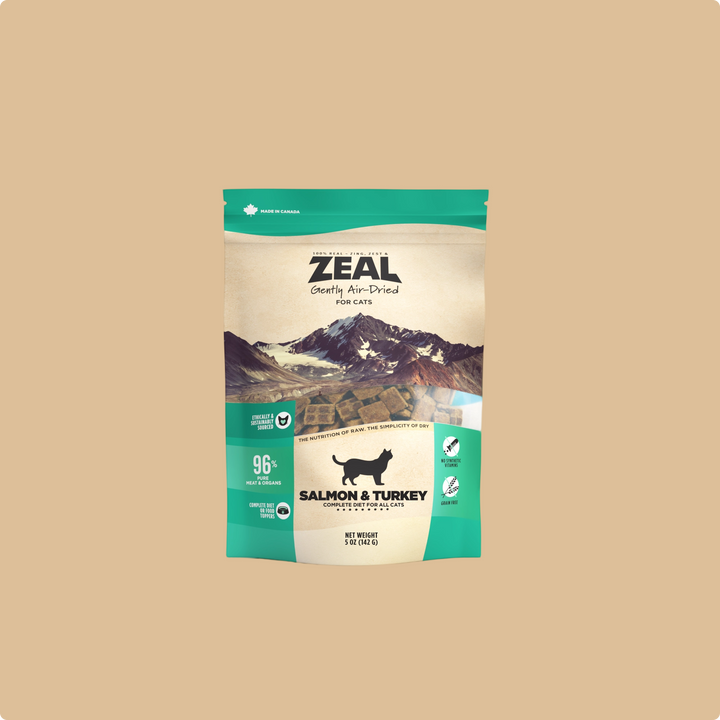
ZEAL's approach to kitten nutrition focuses on recipes built around quality animal ingredients. For example, the ZEAL cat food collection includes air-dried options that deliver protein-focused nutrition in a format kittens readily accept.
What should a healthy kitten food's ingredient panel look like?
Reading a cat food label effectively starts with the first few ingredients. Named animal proteins �� chicken, salmon, turkey, or beef �� should appear at the top. These provide the essential amino acids, including taurine, that cats cannot produce on their own. A recipe that lists a meat meal or fresh meat first is generally a practical choice than one that begins with corn, wheat, or soy.
Fat sources matter too. Chicken fat and salmon oil supply omega-6 and omega-3 fatty acids respectively, both of which contribute to skin health, coat shine, and cognitive development. For a Siamese kitten, whose short, fine coat can show nutritional deficiencies quickly, these fats are particularly important.
What to avoid: artificial colors, flavors, and preservatives have no place in a kitten's diet. The same goes for ambiguous ingredients like "meat by-product meal" or "animal digest." A transparent label reflects a brand's commitment to quality �� something ZEAL emphasizes through its traceable sourcing and clear ingredient declarations.
How much protein does a growing Siamese kitten actually need?
Growing kittens require a minimum of 30% protein on a dry matter basis according to AAFCO guidelines, but many veterinary nutritionists suggest aiming higher �� closer to 35-50% �� especially for active breeds like the Siamese. Protein supplies the building blocks for muscle development, enzyme production, and immune function.
Not all protein is equal, however. The digestibility and amino acid profile of the protein source determine how much of it the kitten's body can actually use. Animal-based proteins from muscle meat and organs offer a complete amino acid profile that plant proteins cannot match. This is one reason why ZEAL's air-dried cat food recipes, such as the Canada-made air-dried food, feature 96% real meat & organs �� providing a protein-focused foundation for growing cats.
What role do fats and fatty acids play in Siamese kitten development?
Fats are the most concentrated energy source in a kitten's diet, and they serve functions beyond simple calorie provision. Omega-3 fatty acids, particularly EPA and DHA, support brain and eye development during the critical early months. Omega-6 fatty acids help maintain skin barrier function and contribute to a glossy coat.
For a Siamese kitten, whose coat is short and close-lying, nutritional deficiencies often show up as dull fur or flaky skin. A diet with adequate fat from quality sources �� such as salmon oil or chicken fat �� helps keep the coat sleek and the skin healthy. The balance between omega-6 and omega-3 matters as much as the total amount, so look for recipes that include both.
Dry food, wet food, or a combination for a Siamese kitten?
Each format has practical advantages. Dry food is convenient, shelf-stable, and can be left out for grazing if your kitten prefers to eat small meals throughout the day. The texture may also provide mild dental abrasion, though this benefit is often overstated. Wet food offers higher moisture content, which supports urinary tract health �� a consideration for any cat breed.
Many Siamese kitten owners find that a combination approach works well. Offering a high-quality dry food as the base, supplemented with wet food meals, provides variety in texture and flavor while ensuring adequate hydration. If you choose a dry food as the primary diet, make sure fresh water is always available, and consider adding moisture through wet food toppers a few times per week.
ZEAL offers both formats. The cat food collection includes New Zealand-made wet food with 94% meat and organs, alongside Canada-made air-dried recipes that can be served dry or rehydrated.
How can you tell if the food is working for your Siamese kitten?
Monitoring your kitten's response to a new food involves observing several indicators over the first few weeks. A healthy kitten should have consistent energy levels, a soft and shiny coat, firm stools, and steady weight gain appropriate for their age. The Siamese breed standard calls for a long, elegant body with fine bones �� not a heavy or bulky frame �� so weight gain should be gradual and proportionate.
Signs that a food may not be the right fit include loose stools, excessive gas, dull coat, skin irritation, or a sudden drop in appetite. If any of these appear, consider transitioning to a different protein source or formula. Kittens can have individual sensitivities, and what works for one Siamese may not suit another.
What about feeding frequency and portion sizes?
Young kittens under 12 weeks typically need four small meals per day. Between 3 and 6 months, you can transition to three meals. By 6 to 12 months, most Siamese kittens do well on two to three meals daily. The total daily portion depends on the calorie density of the food and the kitten's current weight, but most kitten food packaging includes a feeding guide based on age and expected adult weight.
Siamese cats tend to stay lean naturally, so overfeeding is less of a concern than with some other breeds. However, free-feeding dry food without portion control can still lead to excess weight if the kitten is less active than expected. Measuring portions and adjusting based on body condition is the most reliable approach.