Quick Answer
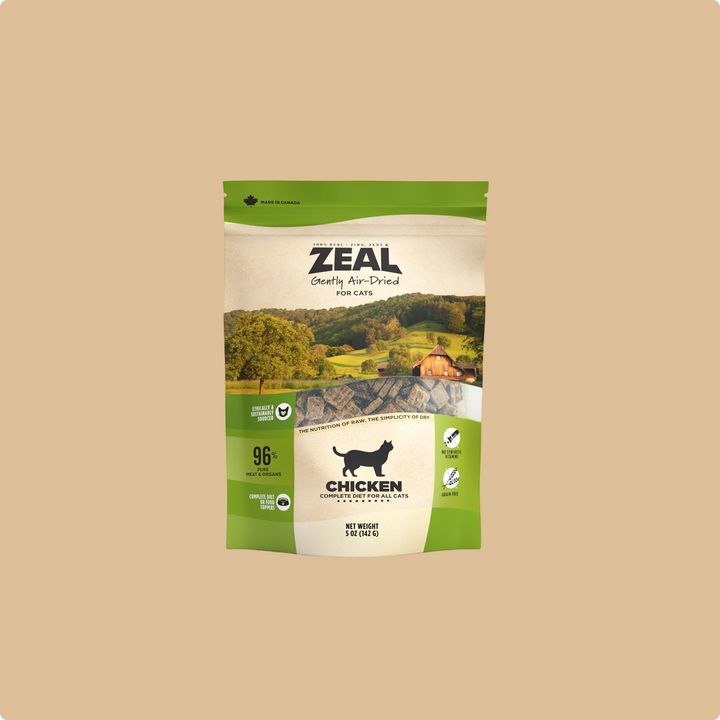
An Abyssinian kitten needs a nutrient-dense diet built on quality animal protein to support rapid growth, muscle development, and a strong immune system. Look for food with named meat sources as the first ingredients, adequate omega-3 fatty acids for brain and eye development, and taurine for heart health. ZEAL's Canada-made air-dried cat food, with 96% real meat & organs, provides the protein-focused nutrition that active kittens require without grain-based fillers or added sugars.
What makes kitten nutrition different from adult cat food?
Kittens grow at an extraordinary pace during their first year. An Abyssinian kitten, known for its active and curious nature, needs nutrient-dense meals that support rapid bone development, muscle growth, and a developing immune system. Unlike adult maintenance formulas, kitten food must deliver higher levels of protein, essential fatty acids, and key minerals like calcium and phosphorus in the right balance.
The difference is not just about calories. A growing kitten's body is building tissues, organs, and neural pathways at a rate that adult cats simply do not require. Feeding an adult formula to a kitten can lead to nutrient gaps that affect long-term health. This is why selecting a food specifically formulated for growth �� or one that meets AAFCO standards for all life stages �� matters from the very first meal.
Why protein quality matters more than protein percentage
Many cat owners focus on the protein number on the label, but the source and digestibility of that protein tell the real story. Cats are obligate carnivores, and kittens have an even higher demand for animal-based amino acids like taurine and arginine. A dry food with 40% protein from plant sources will not serve an Abyssinian kitten the same way a recipe built around meat and organs will.
ZEAL's Canada-made air-dried recipes, for example, feature 96% real meat & organs, providing a protein-focused foundation that aligns with a kitten's biological needs. The air-drying process preserves nutrients through gentle air-drying, which helps retain the natural amino acid profile that heat-extruded kibble can degrade. For an Abyssinian kitten �� a breed that tends to be lean and energetic �� this kind of nutrient density supports steady growth without empty fillers.
How should you evaluate dry food ingredients for a kitten?
Reading a cat food label can feel overwhelming, but a few practical checks can simplify the decision. Start with the first five ingredients. If meat or named meat meals appear at the top, the formula is built on animal protein. If grains, potatoes, or legumes dominate the front of the list, the recipe relies more on plant-based fillers.
Look for named fat sources like chicken fat or salmon oil rather than generic animal fat. Omega-3 fatty acids from fish oil support brain and eye development in kittens, which is especially relevant during the early months when neural development peaks. Also check for taurine �� it should be listed explicitly, as cats cannot synthesize enough on their own. ZEAL air-dried cat food includes taurine at meaningful levels, which is one reason it meets AAFCO complete and balanced standards.
What role do healthy fats play in a kitten's development?
Fat is not just an energy source for kittens �� it is a structural component of cell membranes and a carrier for fat-soluble vitamins. An Abyssinian kitten's sleek coat and healthy skin depend on adequate levels of omega-3 and omega-6 fatty acids. These nutrients also support cognitive development and visual acuity during the critical early weeks.
Salmon oil, included in ZEAL's air-dried cat food formulations, provides EPA and DHA, the long-chain omega-3s most directly linked to brain and eye health. The balance of animal fats from meat and organs, combined with marine-sourced omega-3s, creates a fatty acid profile that supports both immediate energy needs and long-term developmental milestones.
How much should you feed an Abyssinian kitten each day?
Portion sizes depend on age, weight, and activity level. A typical Abyssinian kitten under 5 lbs may need between 200 and 300 calories per day, split across three to four small meals. Because kittens have small stomachs and high energy demands, frequent feeding helps maintain steady blood sugar and supports consistent growth.
Air-dried food is calorie-dense compared to traditional kibble, so portions tend to be smaller by volume. This can be an advantage for kittens that eat quickly or struggle with large meals. Always follow the feeding guide on the package as a starting point, then adjust based on body condition. You should be able to feel the ribs with a light touch but not see them prominently. A veterinarian can provide personalized guidance if your kitten is gaining too quickly or too slowly.
What should you avoid in kitten food?
Several categories of ingredients are worth avoiding when choosing food for a young Abyssinian. Artificial colors, flavors, and preservatives add no nutritional value and may contribute to sensitivities over time. High-carbohydrate fillers like corn, wheat, and soy can displace more valuable animal protein and are not part of a cat's natural diet.
Sugar and sweeteners have no place in cat food. Some formulas add them for palatability, but they contribute to empty calories and can encourage picky eating habits. ZEAL air-dried food contains no added sugars and is grain-free, which means the carbohydrate content comes from functional ingredients like pumpkin fiber rather than starchy fillers.
How can you tell if the food is working for your kitten?
A suitable feedback comes from observing your kitten directly. A healthy Abyssinian kitten on the right food will show steady weight gain, a soft and shiny coat, bright eyes, and consistent energy levels. Stool quality is another reliable indicator �� firm, well-formed stools suggest good digestion and nutrient absorption.
Watch for signs that might indicate the food is not a good match: loose stools, excessive gas, dull coat, lethargy, or skin irritation. If any of these appear, a gradual transition to a different protein source or formula may help. Keep in mind that kittens can have individual sensitivities, and what works for one Abyssinian may not suit another. For kittens needing a nutrient-rich option, explore ZEAL cat food options designed with quality ingredients.