Quick Answer
A good kitten food for a Bengal should provide complete and balanced nutrition for growth while fitting the kitten's individual appetite, activity level, and feeding routine. Bengal kittens are active and curious, so consistent meals and appropriate portions matter. Hairball control is a little different in kittens: young cats generally develop fewer hairballs than older cats, making regular grooming and observation part of a sensible routine rather than relying on a food marketed specifically for hairballs.
What Should a Bengal Kitten Eat as It Grows?
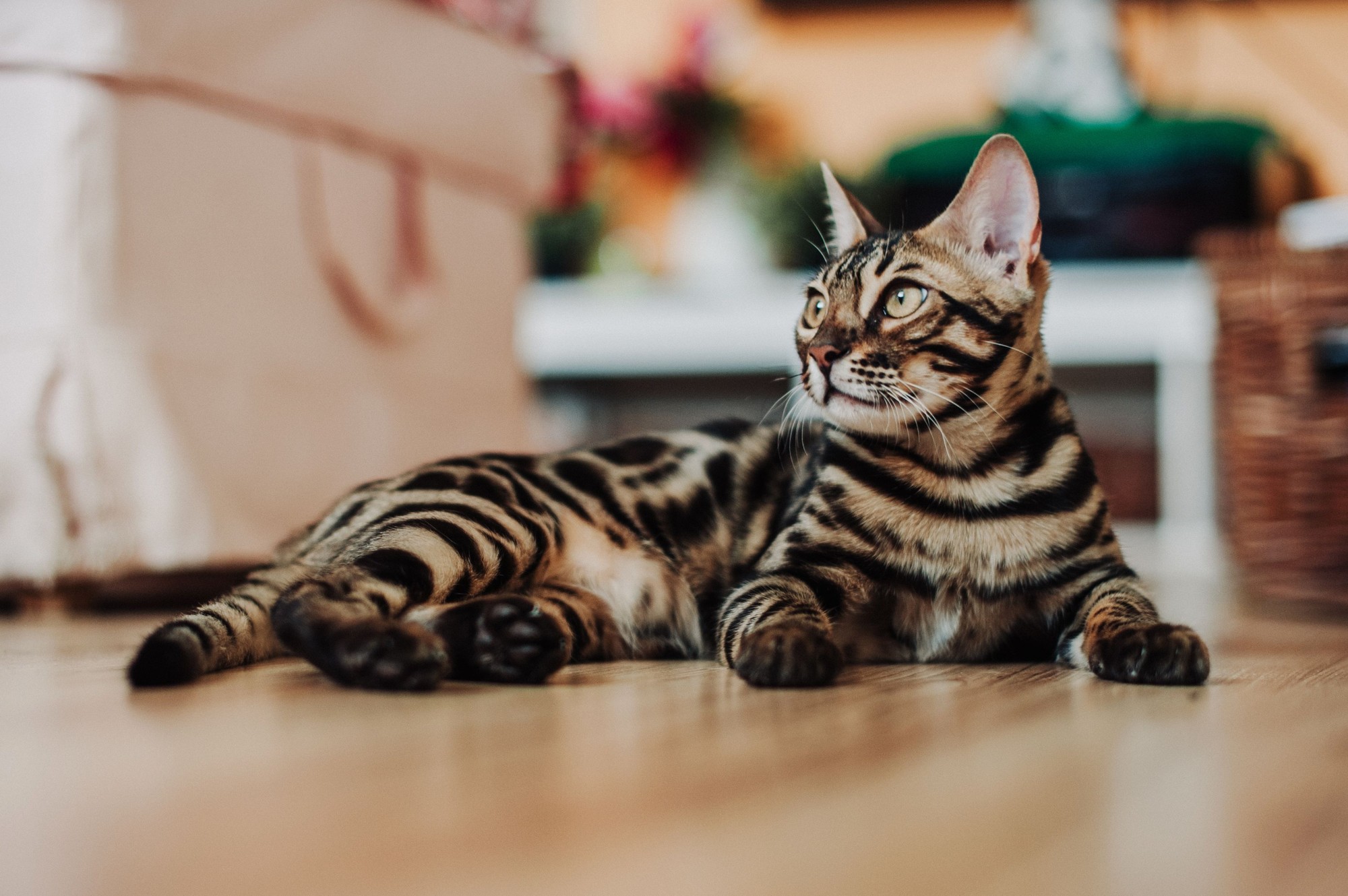
Bengal kittens bring a lot of energy into a home. They are naturally curious, active cats, and their early months are a period of rapid physical development. That makes the foundation of a daily feeding routine more important than choosing a food simply because its label mentions a particular breed.
When looking for cat food for kittens, start with nutritional completeness and the life-stage statement on the product. A kitten's food should provide the nutrients needed during growth without turning breed characteristics into a reason for a specialized formula.
ZEAL follows an All Life Stages nutritional approach. A Bengal kitten can have individual nutritional needs, but the food itself does not need to be breed-specific to support healthy growth.
Why Bengal Kittens Need a Thoughtful Feeding Routine
A Bengal's personality can make feeding look different from the quiet routine of a less active cat. Bengals tend to be curious, engaged with their surroundings, and interested in opportunities to explore or forage. Multiple appropriately portioned meals can fit naturally into that lifestyle.
For a growing kitten, consistency is especially useful. Rather than changing foods frequently because of every small preference, establish a predictable schedule and monitor appetite, body condition, stool quality, and overall behavior.
Fresh water should also remain available. If your kitten enjoys wet food, its higher moisture content can be another practical part of the daily feeding routine.
Good Kitten Food Starts With the Whole Recipe
The phrase good kitten food can mean very different things depending on the person searching. For a growing cat, it is more useful to look beyond a single ingredient or marketing phrase and consider the complete recipe.
For Bengal kittens, useful questions include:
- Does the food provide complete and balanced nutrition for the appropriate life stage?
- What are the primary animal protein sources?
- Is the food practical for the kitten's normal feeding routine?
- Does the texture encourage the kitten to eat comfortably?
- Can the food be introduced consistently without unnecessary changes?
These questions help turn the search for recommended kitten food into a more useful evaluation of the actual food rather than a list of labels.
Where Hairball Control Fits Into a Bengal Kitten's Diet
Hairballs are often part of the conversation when cat parents search for hairball control food. But age changes the context.
Kittens and young cats generally develop hairballs less often than older cats. Grooming habits, coat length, and seasonal shedding can all influence how much loose hair a cat swallows. Regular brushing is therefore a simple part of a kitten's grooming routine and can help reduce the amount of loose hair available to be swallowed.
For a Bengal kitten, hairball management does not need to become the main criterion for choosing food. A complete daily diet, appropriate portions, grooming, hydration, and observation all belong in the bigger picture.
It is also worth separating ordinary grooming from persistent or unusual symptoms. If a kitten repeatedly vomits, has difficulty passing material, loses appetite, or shows other concerning changes, food marketed for hairballs should not be treated as a substitute for veterinary assessment.
Wet Food or Air-Dried Food for a Bengal Kitten?
There is no single feeding format that every Bengal kitten will prefer. Wet food and air-dried food offer different practical characteristics, so the choice can come down to how you feed your kitten and what texture they enjoy.
ZEAL Cat Wet Food
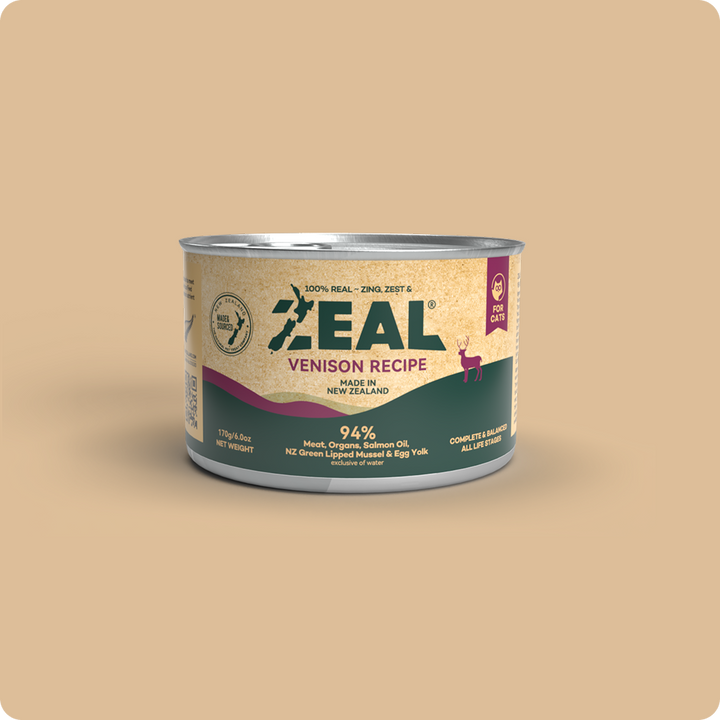
ZEAL cat wet food is made in New Zealand and is made with 94% real meat and organs, green-lipped mussels, egg yolk and salmon oil. The recipes are grain-free, contain no added sugars, and include taurine, which is essential for cats.
ZEAL's cat wet food range includes Beef, Lamb, Venison, Chicken, and Chicken & Salmon recipes, with 90g �� 24 and 170g �� 12 formats available according to the current product listing.
For a kitten accustomed to moist food, wet meals can also be a convenient way to add moisture to the daily feeding routine.
ZEAL Cat Air-Dried Food
ZEAL cat air-dried food takes a different approach. It contains 96% real meat & organs and is gently air-dried in Canada. The cat recipes are grain-free and contain no added sugars, with taurine and krill meal included in the cat formulation.
The current cat air-dried range includes Chicken Recipe and Salmon & Turkey Recipe. Chicken is available in 5 oz and 14.1 oz sizes, while Salmon & Turkey is also available in 5 oz and 14.1 oz sizes.
Air-dried food can be used as complete feeding or as a topper, depending on the product's feeding directions and the kitten's overall diet.
What Nutrients Matter in Cat Food for Kittens?
Choosing food for a growing Bengal is not about finding one magic nutrient. The broader nutritional profile matters.
Protein From Animal Ingredients
Cats are obligate carnivores, and animal-derived ingredients are an important part of feline nutrition. ZEAL's cat wet food and cat air-dried food both place real meat and organs at the center of their respective formulations.
For ZEAL cat air-dried food, the published dry-matter protein values are 51.28% for Chicken Recipe and 41.42% for Salmon & Turkey Recipe. These numbers should be understood as Dry Matter Basis values rather than compared directly with as-fed numbers from a wet food label.
Taurine for Growing Cats
Taurine is an essential nutrient for cats. ZEAL adds taurine to all of its cat products. The published DMB taurine values for ZEAL cat air-dried food are 1.31% for Chicken Recipe and 1.53% for Salmon & Turkey Recipe.
This is one reason it is useful to look at the complete formulation rather than selecting cat food based only on its headline protein percentage.
Omega-3 Fatty Acids
ZEAL's cat recipes also provide EPA and DHA. Within the current published data, ZEAL cat wet foods provide approximately 0.36�C0.45% EPA+DHA on a dry-matter basis, while the cat air-dried recipes provide approximately 0.28�C0.41%.
Omega-3 fatty acids are commonly discussed in relation to maintaining normal skin and coat condition and supporting everyday nutrition. They should be viewed as part of the overall nutritional profile rather than as a treatment claim.
How to Build Meals Around a Bengal Kitten's Day
A practical routine can be more valuable than constantly searching for a new food. Bengal kittens can benefit from predictable feeding times, measured portions, and opportunities to engage with their environment.
Depending on the kitten's individual needs and the feeding directions for the food, a routine might include several smaller meals rather than placing the entire day's food down at once. Food puzzles and other enrichment activities can also turn part of feeding into an opportunity for natural foraging behavior.
When introducing a new food, make the transition gradually and watch how your kitten responds. Appetite, stool quality, energy, and body condition provide useful everyday feedback.
Can ZEAL Be Part of a Bengal Kitten's Feeding Routine?
The relevant question is whether a recipe's nutrition, ingredients, texture, and feeding format fit the individual kitten's routine. ZEAL cat recipes are built around complete nutrition rather than breed-specific claims.
ZEAL cat wet food offers a New Zealand-made option centered on real meat and organs, green-lipped mussels, egg yolk, and salmon oil. ZEAL cat air-dried food offers a Canadian-made, gently air-dried format with 96% real meat & organs, plus taurine and krill meal in the cat recipes.
Both formats give cat parents different ways to build a consistent feeding routine while keeping the focus on complete nutrition and the kitten's individual needs.
A Simple Way to Think About Bengal Kitten Food
If you are comparing good cat food for kittens, start with the fundamentals rather than the breed name on the front of the package.
- Start with nutritional completeness. Check the appropriate AAFCO nutritional statement and life-stage information.
- Look at the complete recipe. Consider animal ingredients, essential nutrients, moisture, and the overall formulation.
- Match the feeding format to your routine. Wet and air-dried foods can serve different practical roles.
- Keep hairball concerns in perspective. Grooming and regular observation are particularly relevant for young cats.
- Adjust based on the individual kitten. Appetite, activity, body condition, and feeding response matter more than breed marketing alone.
For Bengal kittens, good nutrition is ultimately about building a dependable daily routine that can grow with the cat. The goal is not to find a food with the longest list of claims, but one whose nutritional profile and feeding format make sense for the individual cat and the way their family lives.
Frequently Asked Questions About Bengal Kitten Food
What is good kitten food for a Bengal?
A good kitten food should provide complete and balanced nutrition appropriate for growth and fit the kitten's individual feeding routine. Bengal-specific labeling is not required simply because the kitten is a Bengal.
Is hairball control food necessary for Bengal kittens?
Not necessarily. Kittens and young cats generally develop hairballs less often than older cats. Regular grooming and observation are useful parts of everyday hairball management. If a kitten has repeated or concerning symptoms, veterinary advice is more appropriate than relying on a food marketed for hairball control.
Can Bengal kittens eat wet cat food?
Yes, wet food can be part of a kitten's daily feeding routine when the recipe provides complete and balanced nutrition for the appropriate life stage. ZEAL cat wet food is made in New Zealand and includes taurine as part of its cat formulation.
Can Bengal kittens eat air-dried cat food?
Air-dried cat food can be part of a kitten's feeding routine when the specific recipe is appropriate for the life stage and fed according to its directions. ZEAL cat air-dried recipes are gently air-dried in Canada, contain 96% real meat & organs, and include taurine.
How often should I feed a Bengal kitten?
Young kittens commonly do well with meals divided throughout the day rather than relying on one large meal. The appropriate schedule and amount depend on the kitten's age, size, activity level, and the calorie density of the food, so follow the food's feeding directions and adjust with professional guidance when needed.